

From Idea to Practice: Developing Virtual Reality Training for Police Officers through the VIRTLE Project
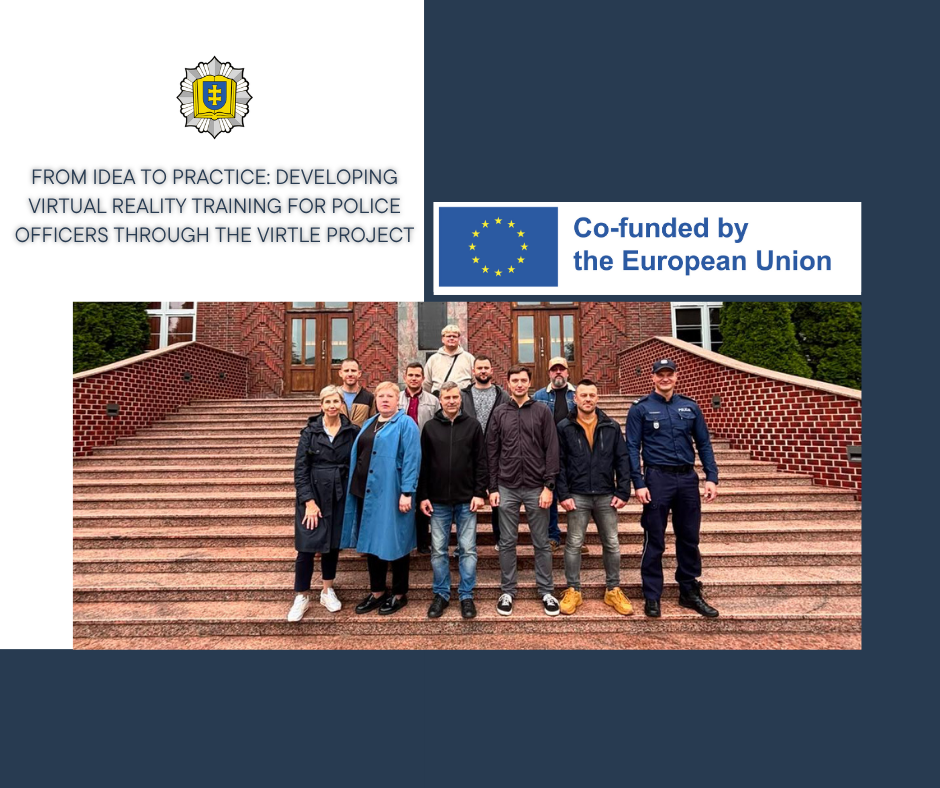
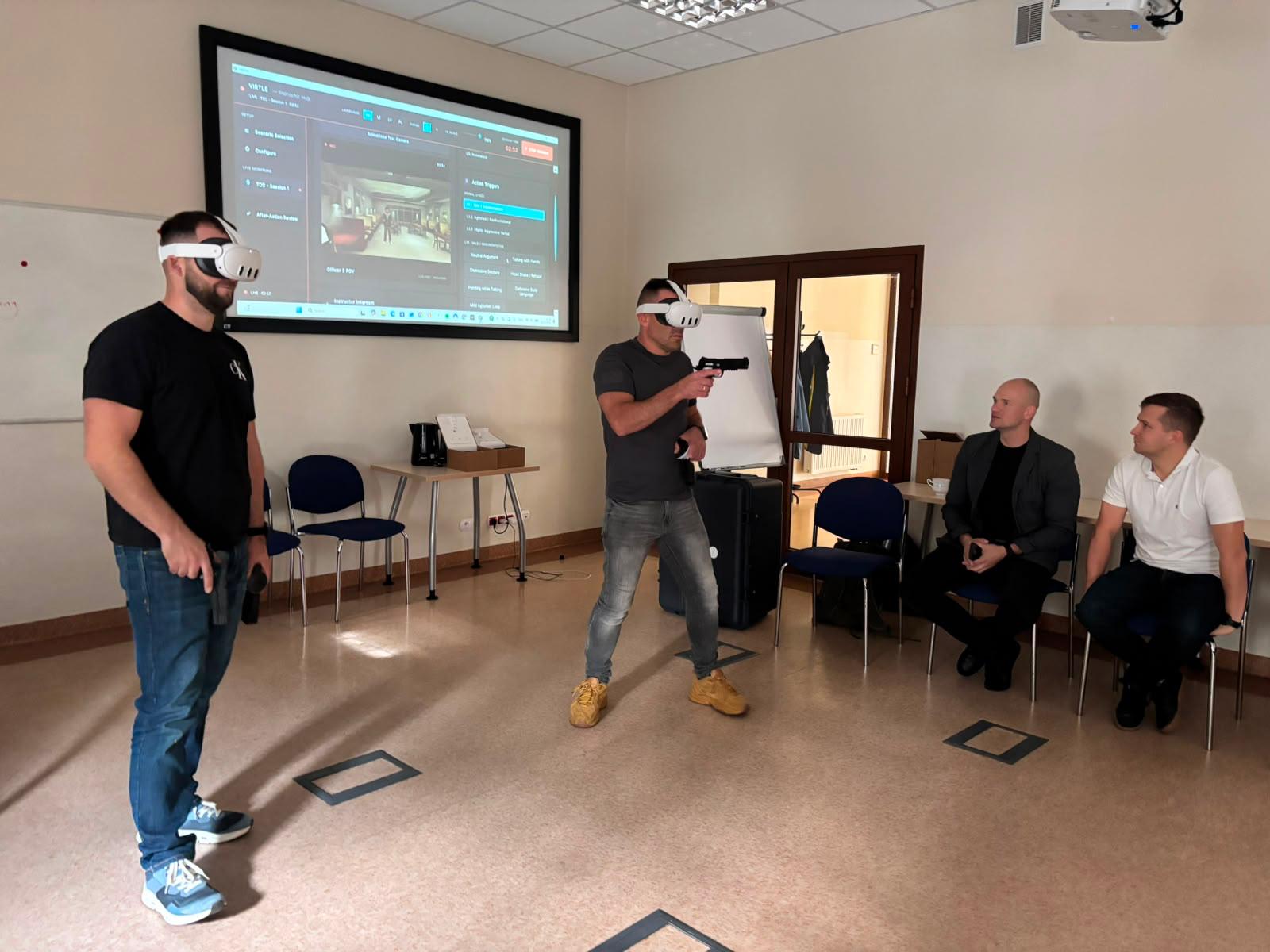
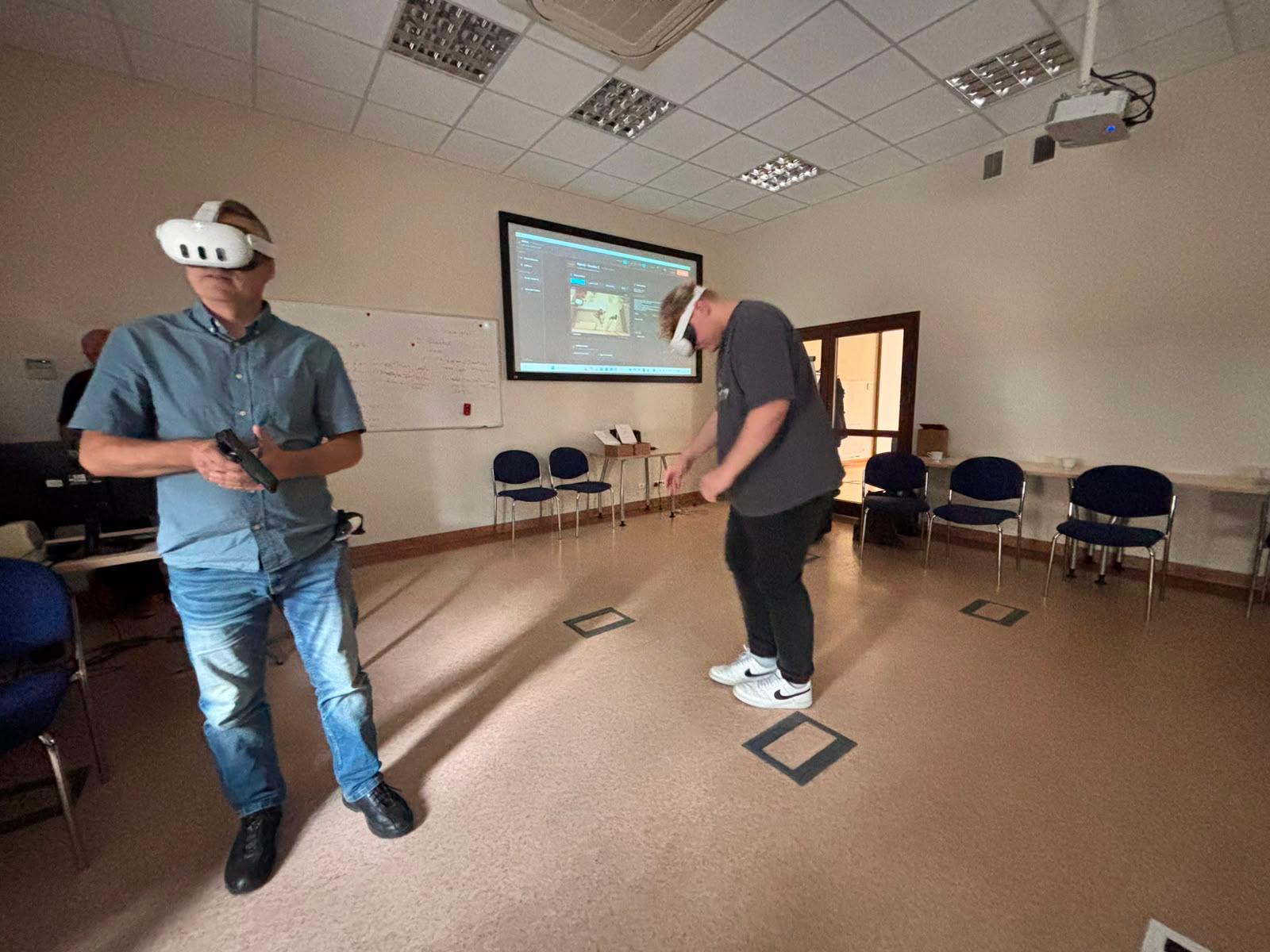
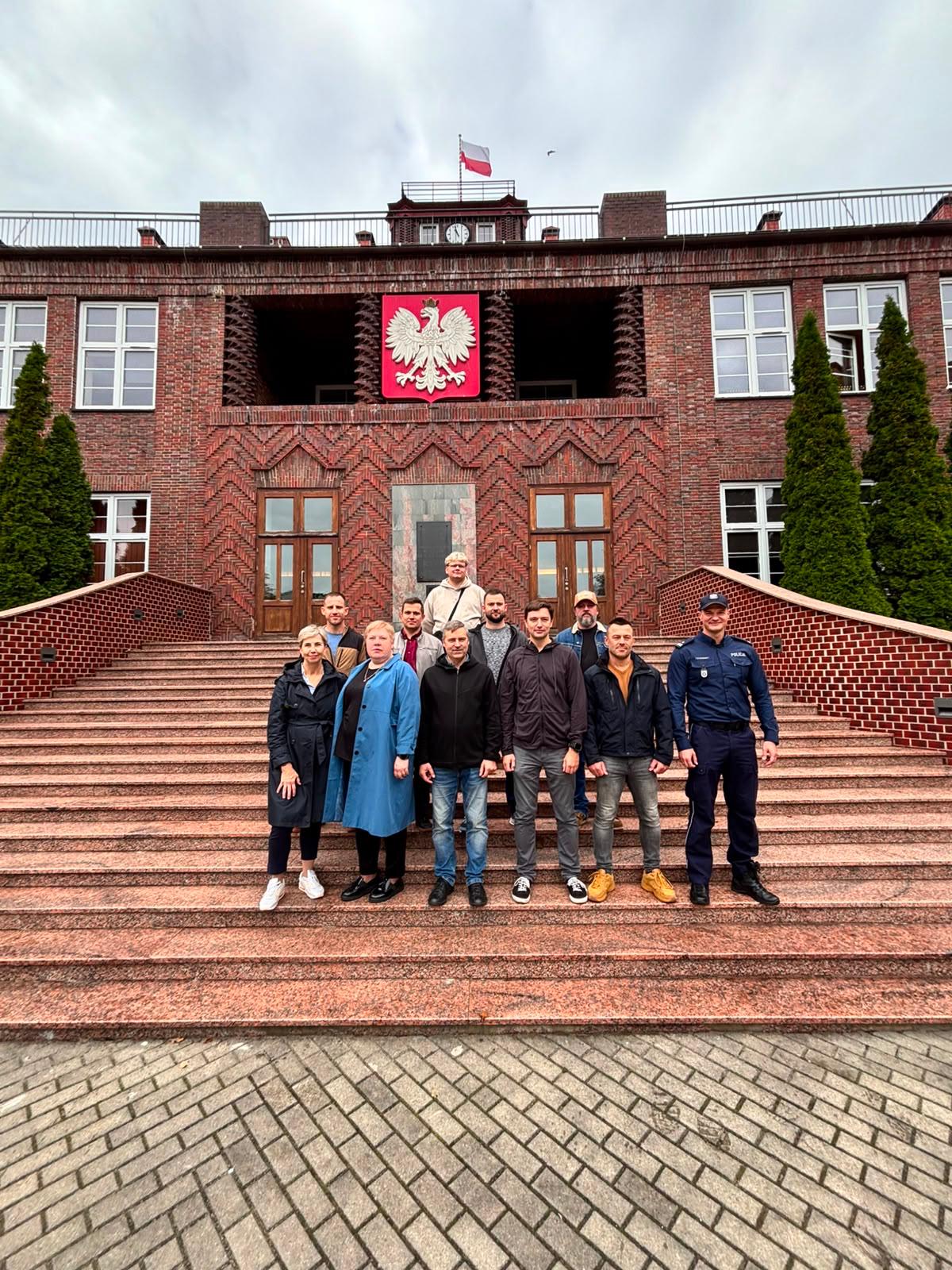
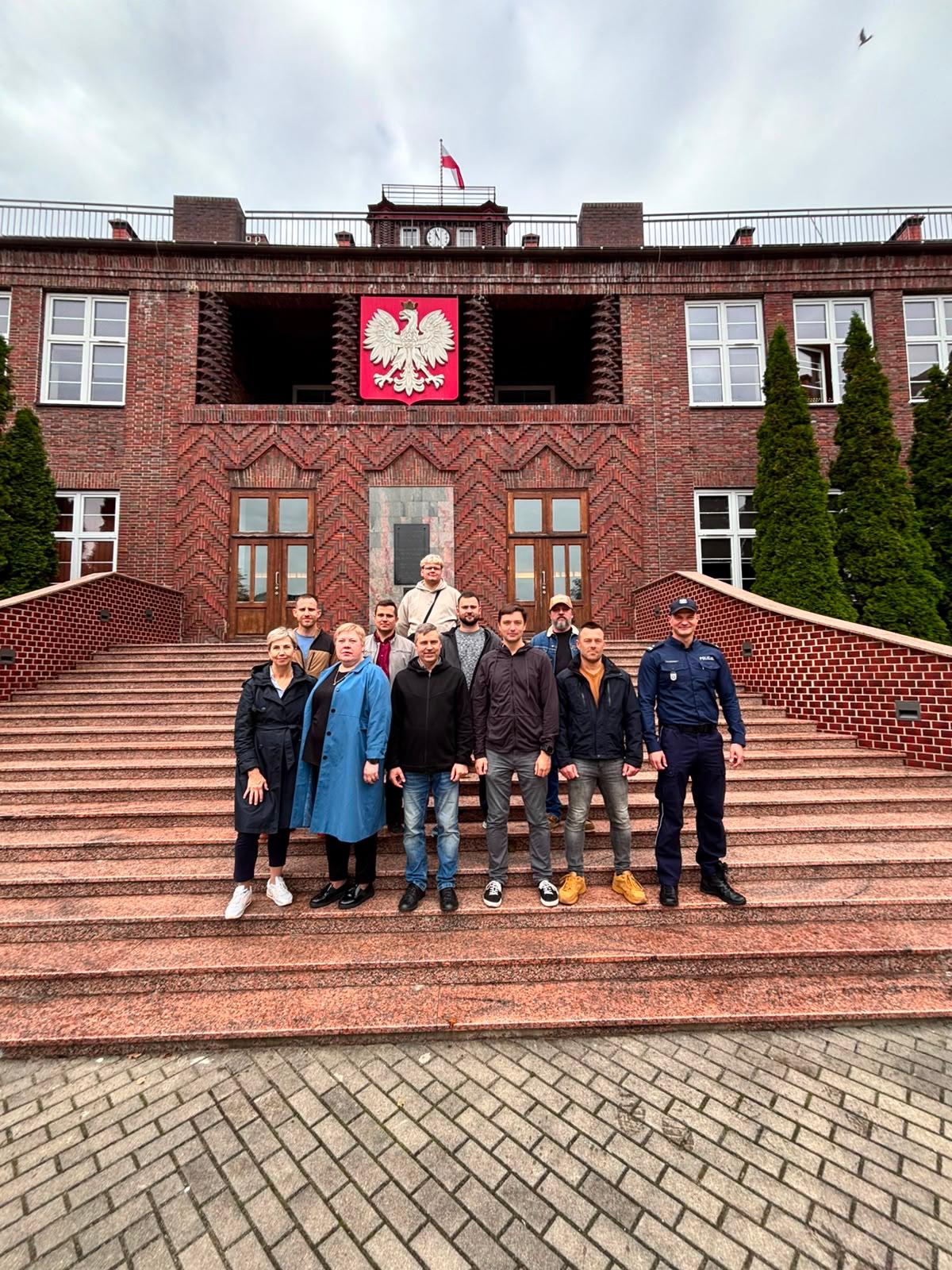
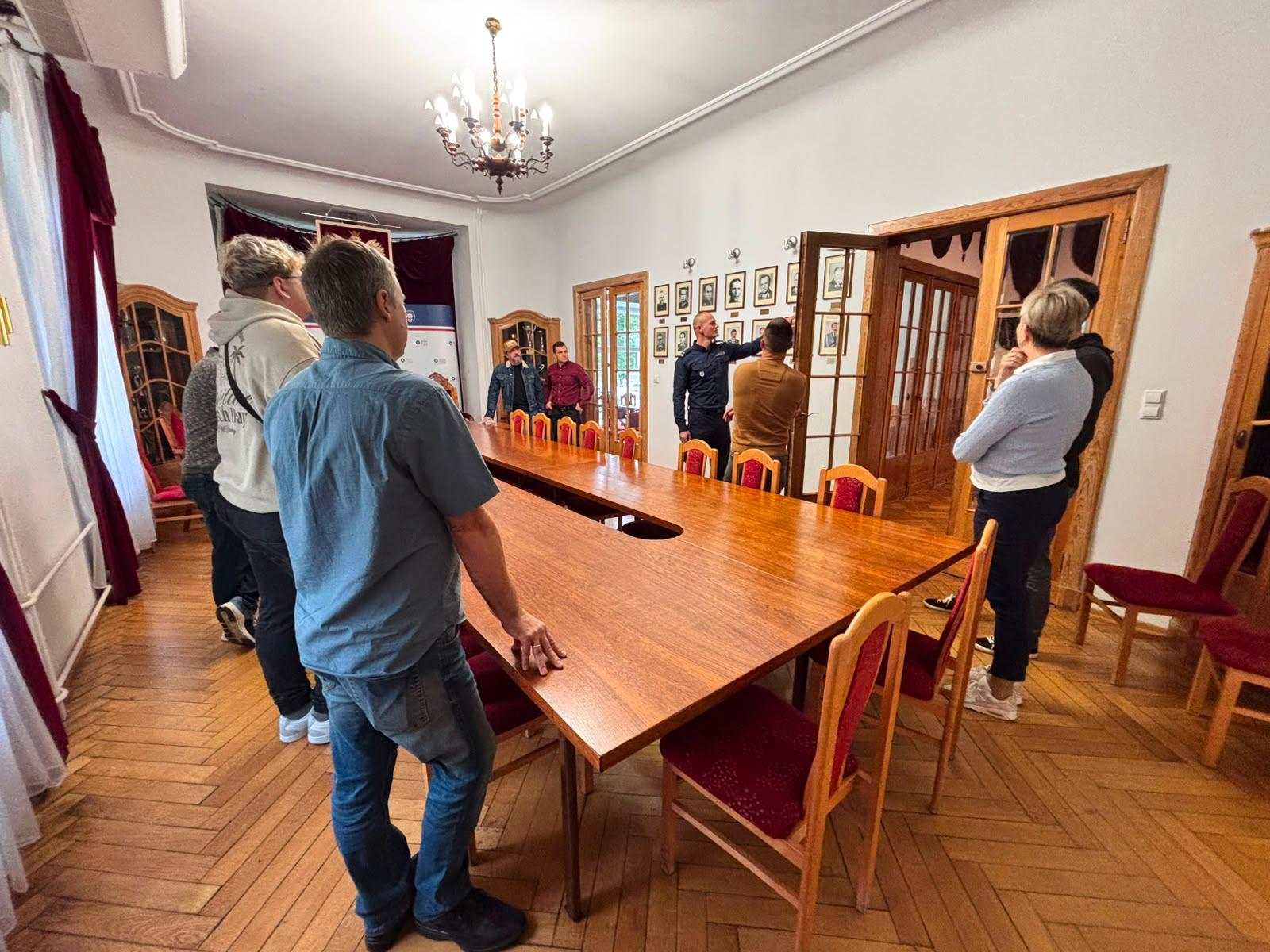
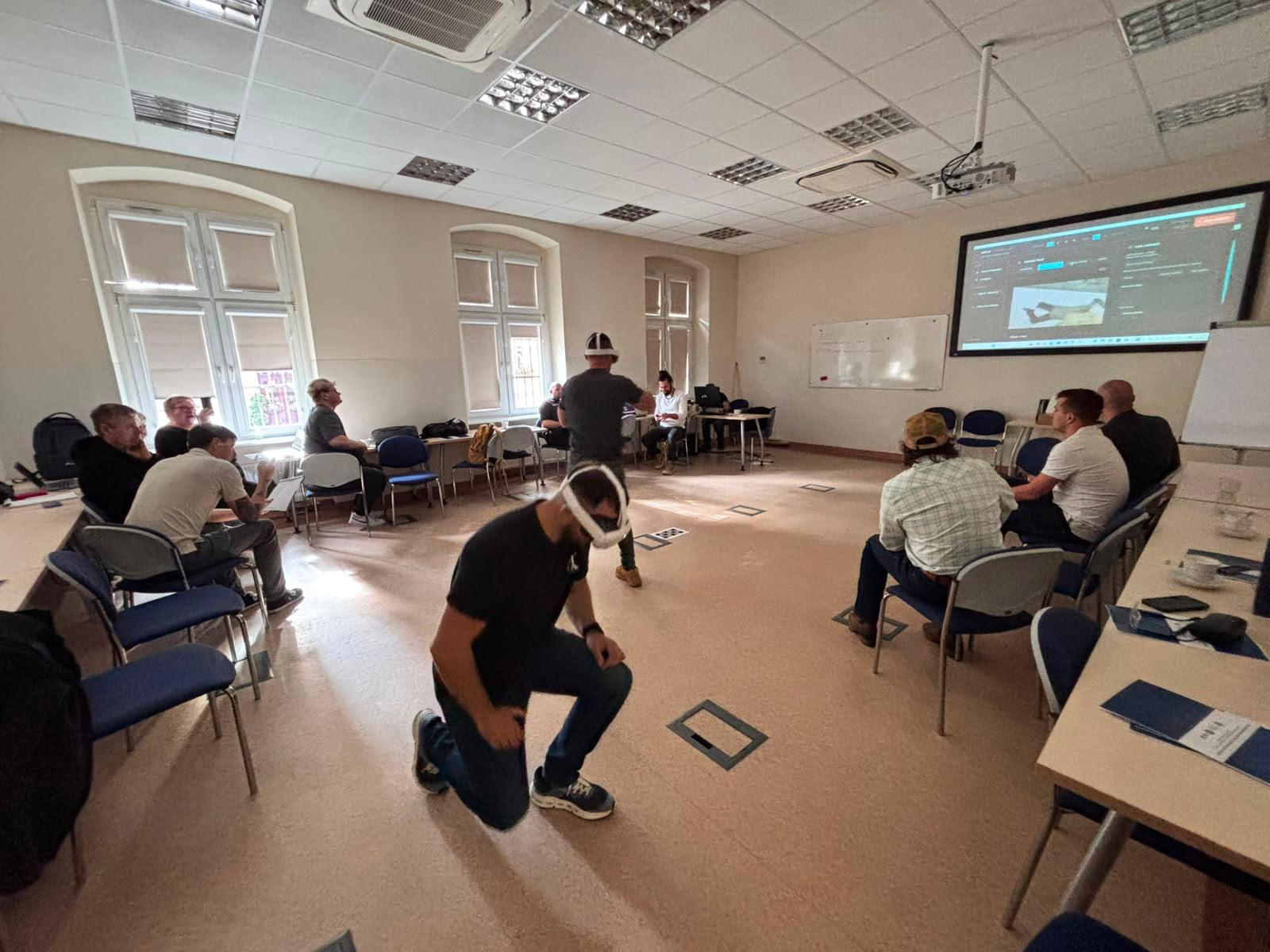
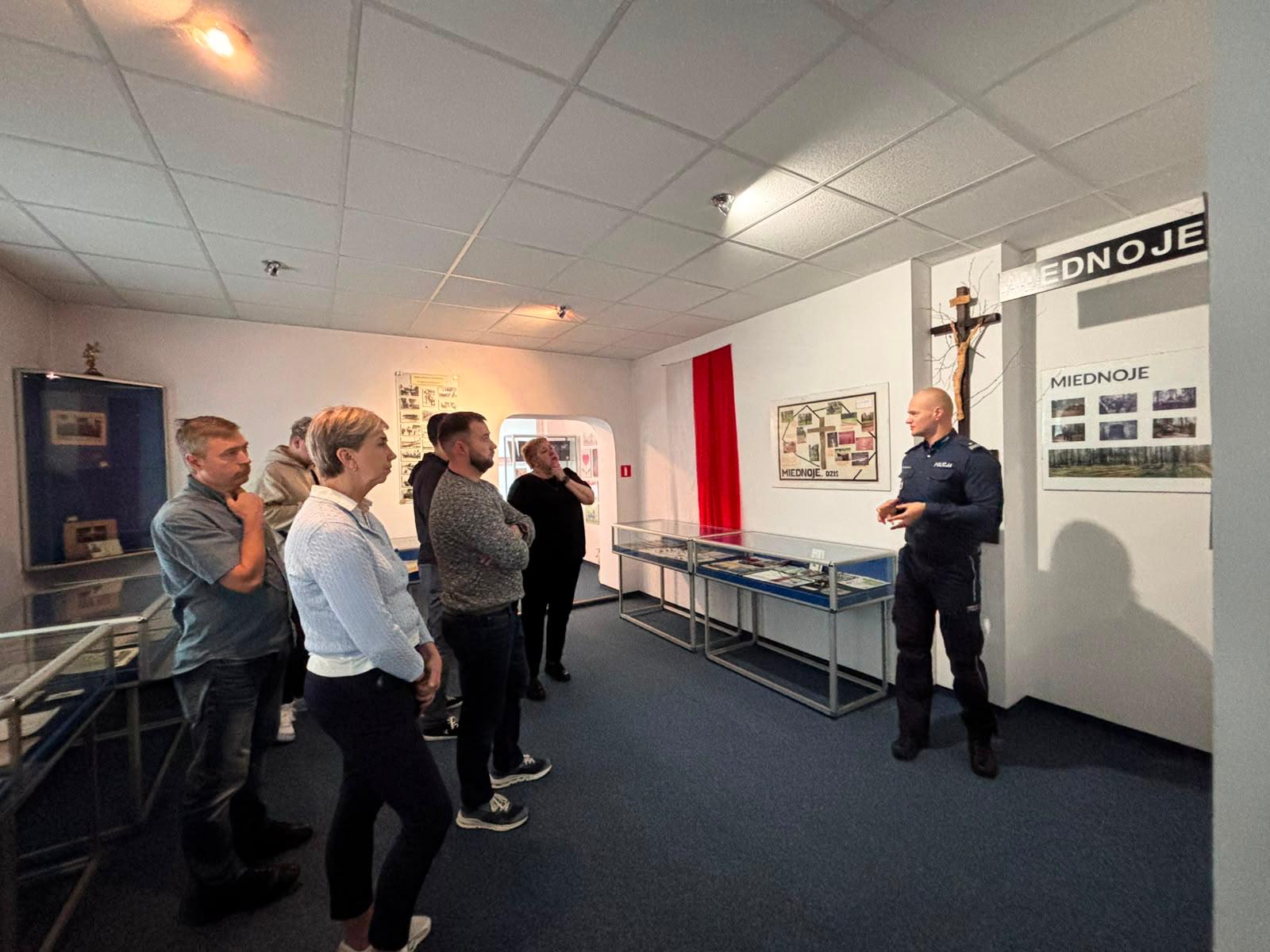
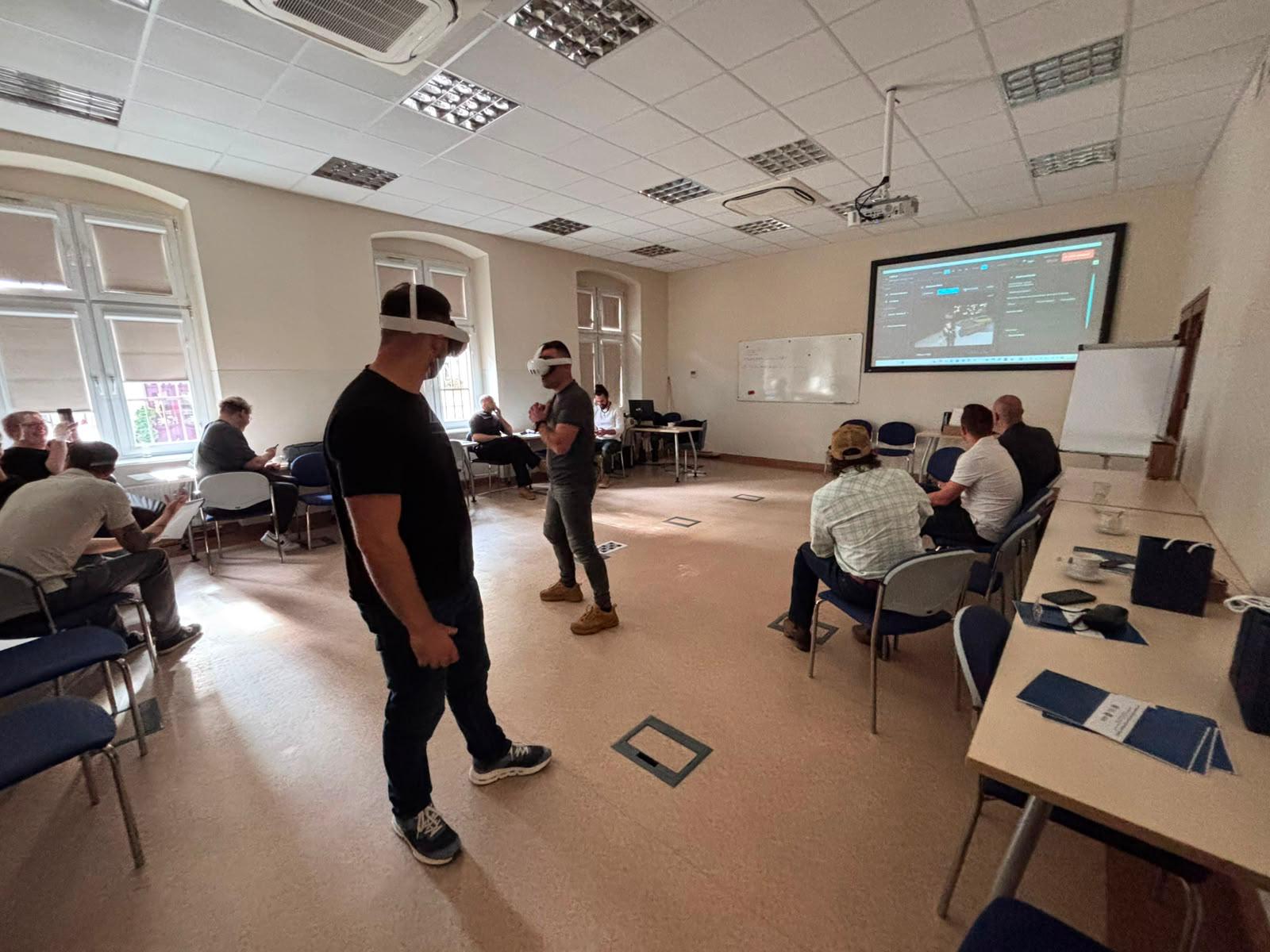
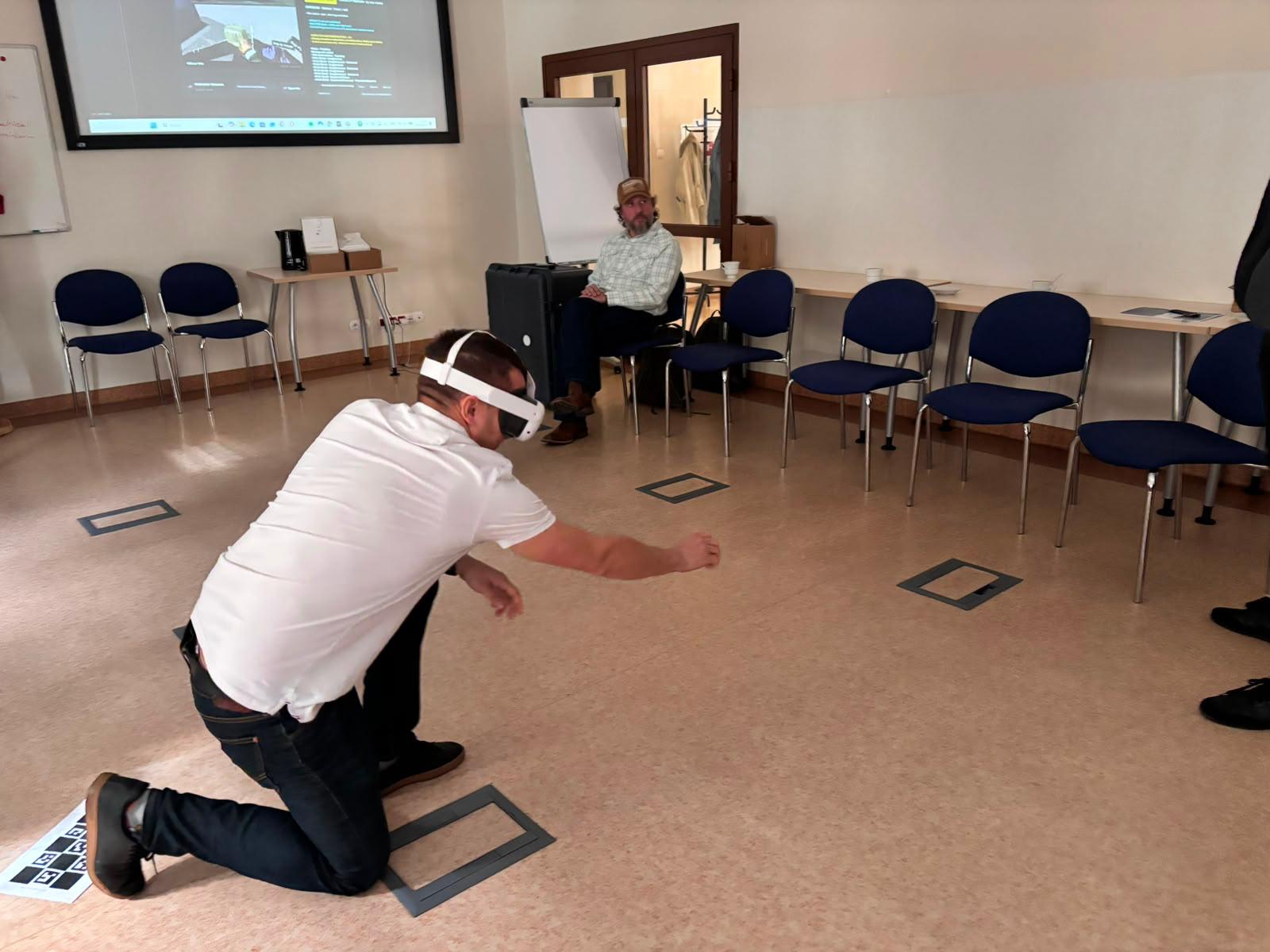
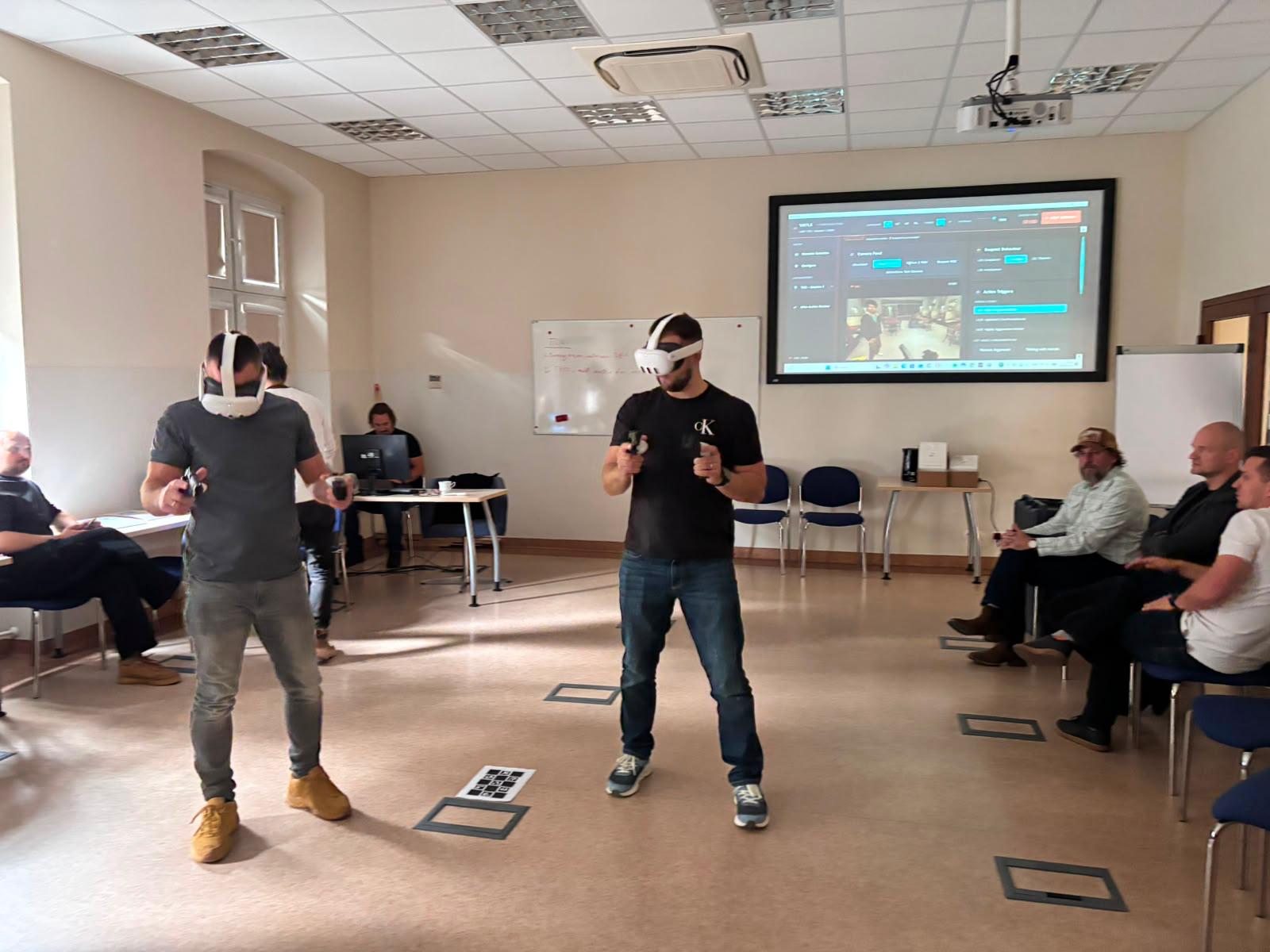
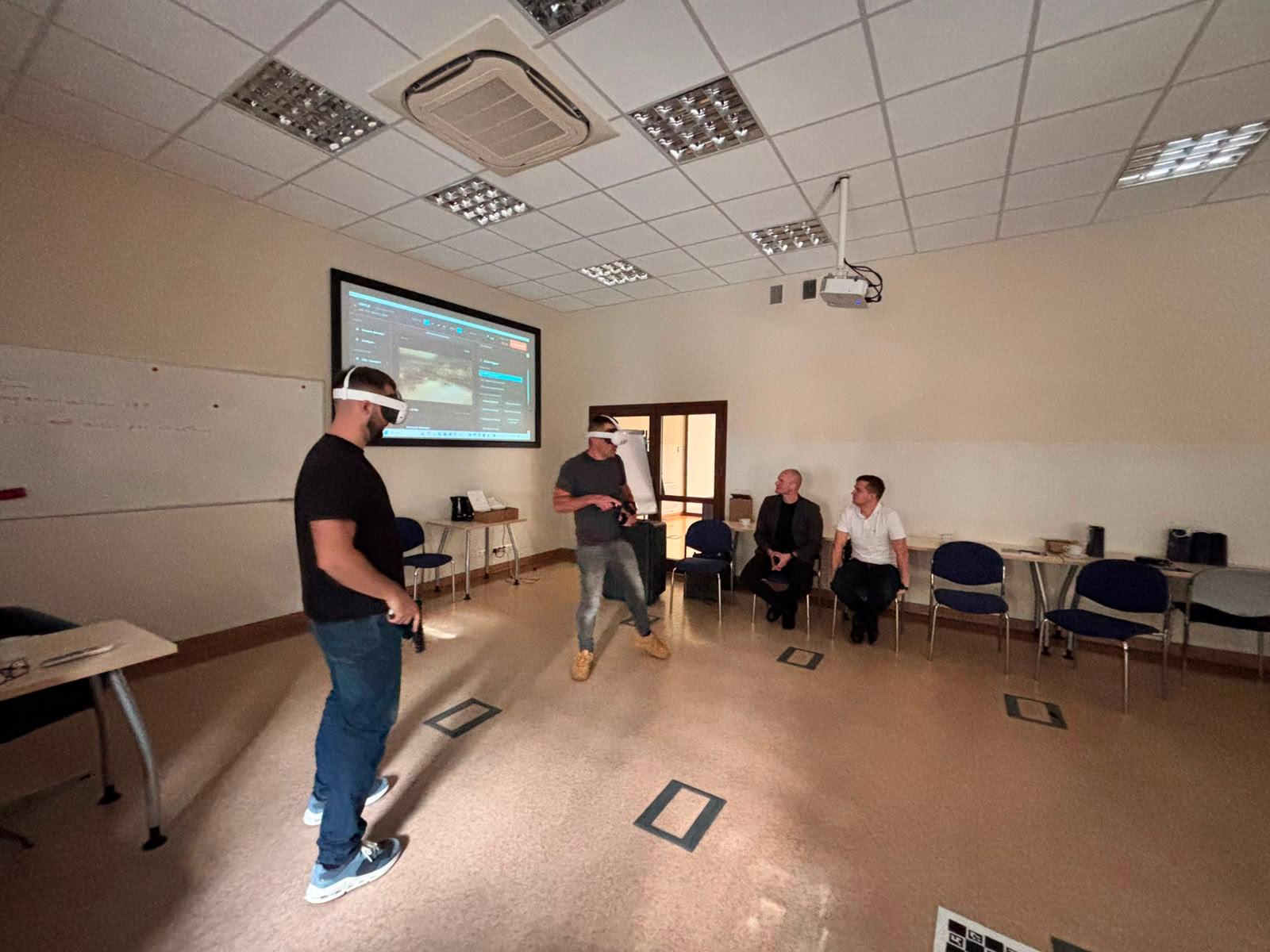
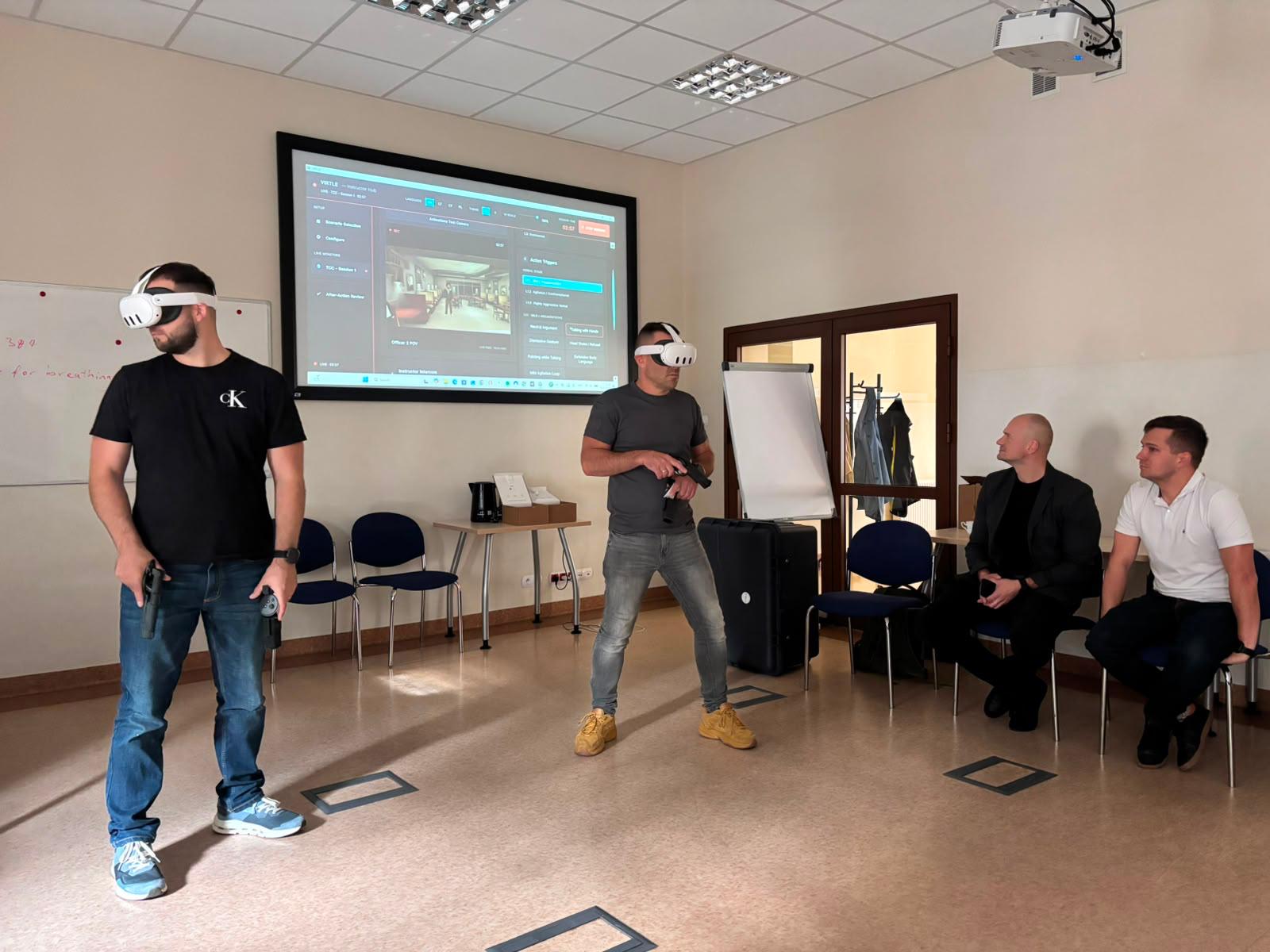
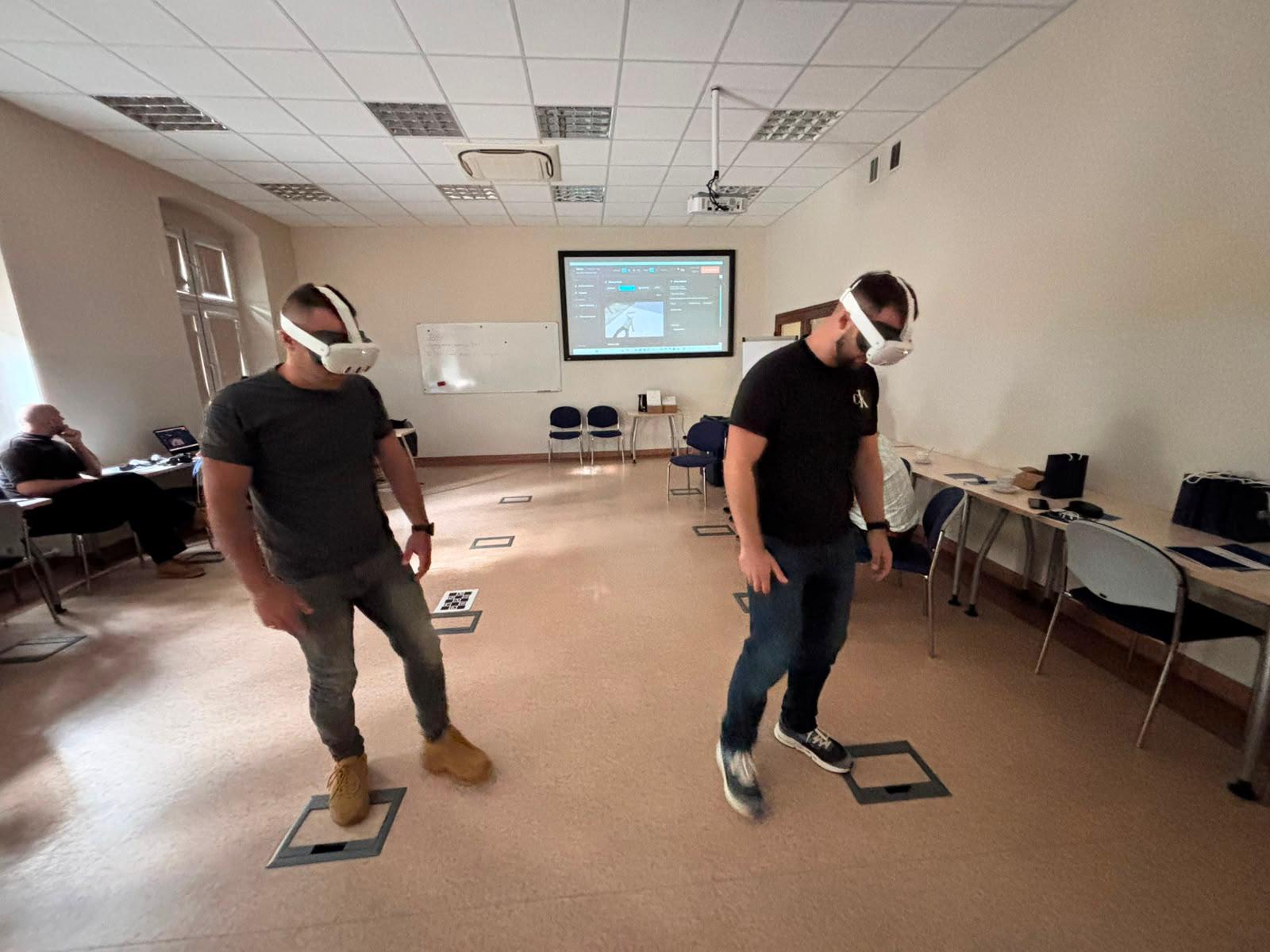
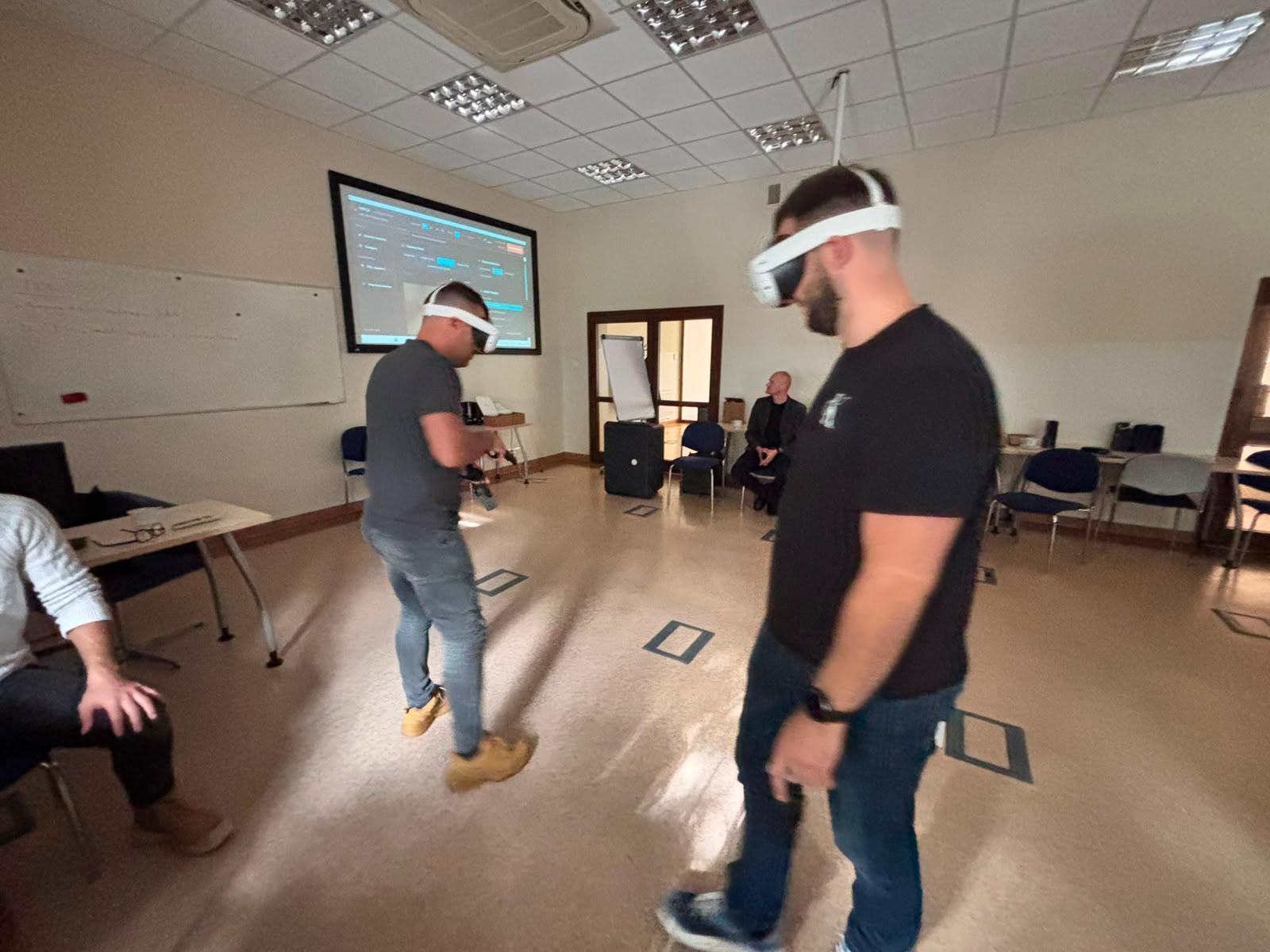
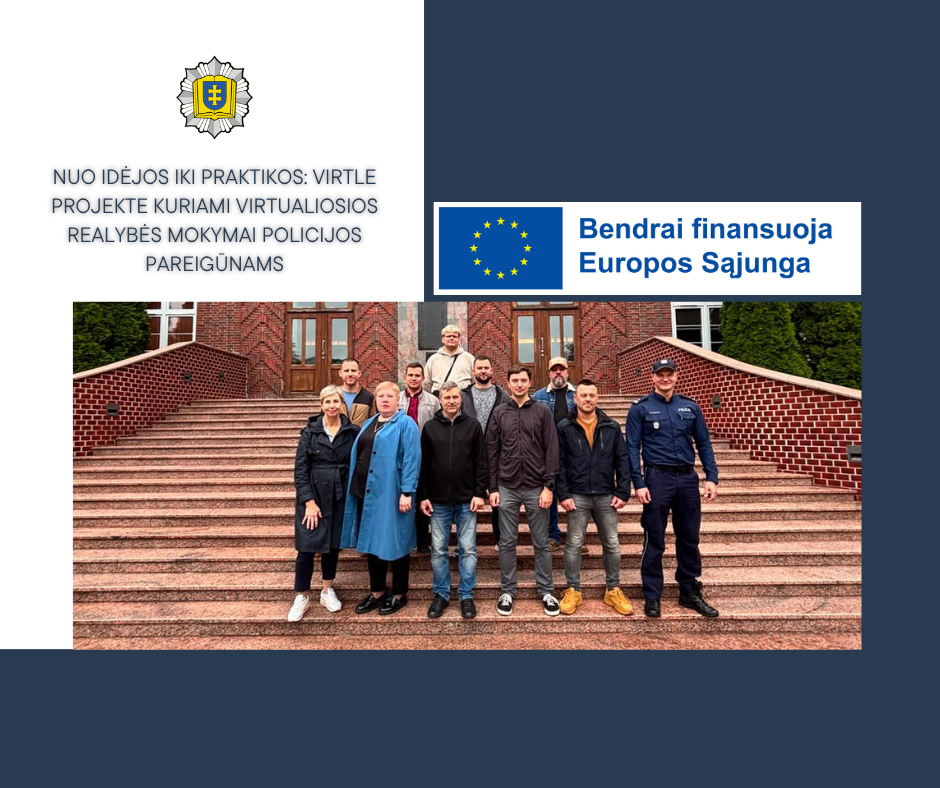
Virtual reality is opening up new opportunities for police training, and the partners of the Erasmus+ VIRTLE project are turning these opportunities into practical training solutions. During the project partners’ meeting held at the Police School in Słupsk, Poland, on 5–9 October, the main focus was on testing and improving the prototype of a virtual reality (VR) training environment.
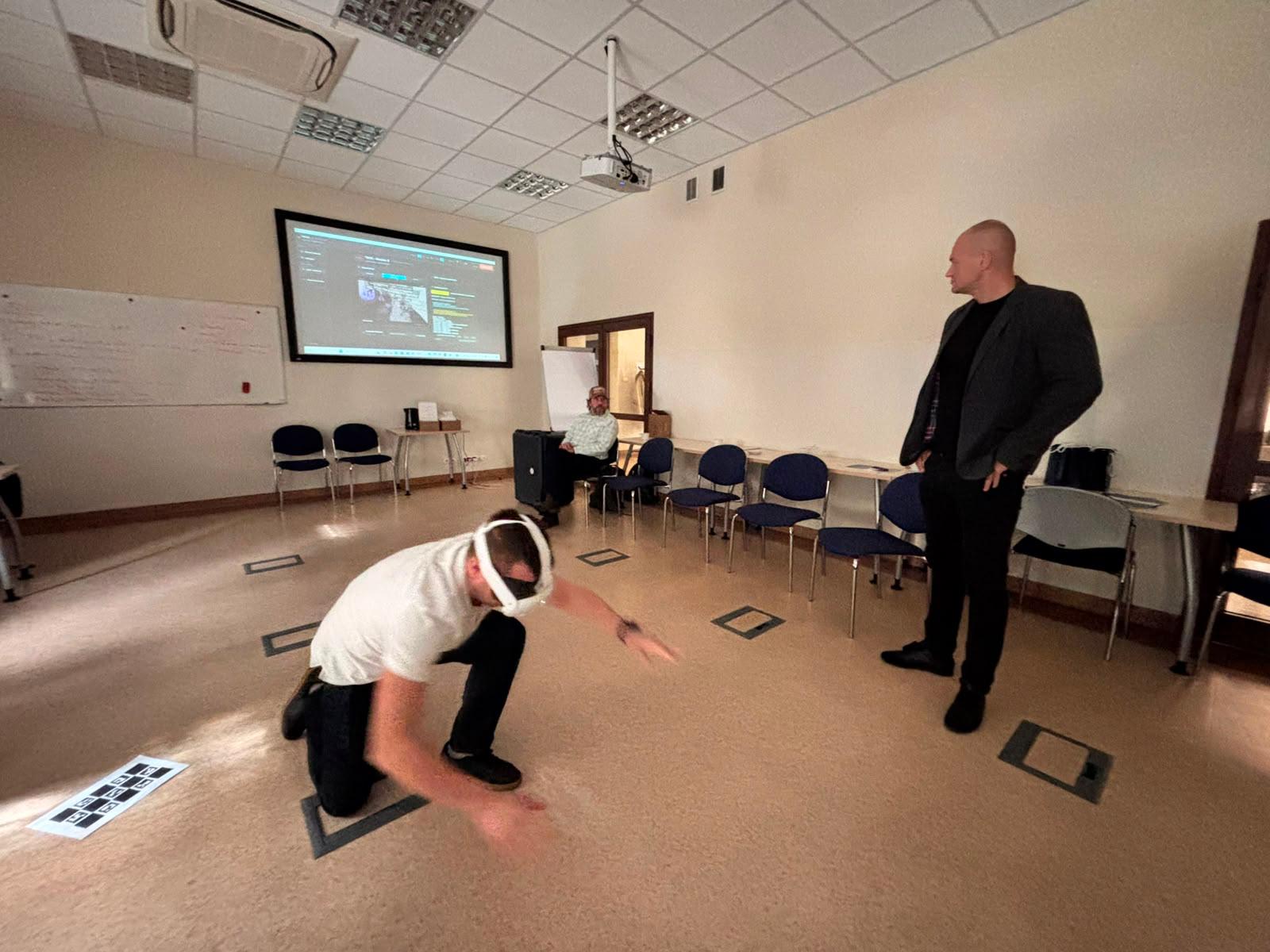
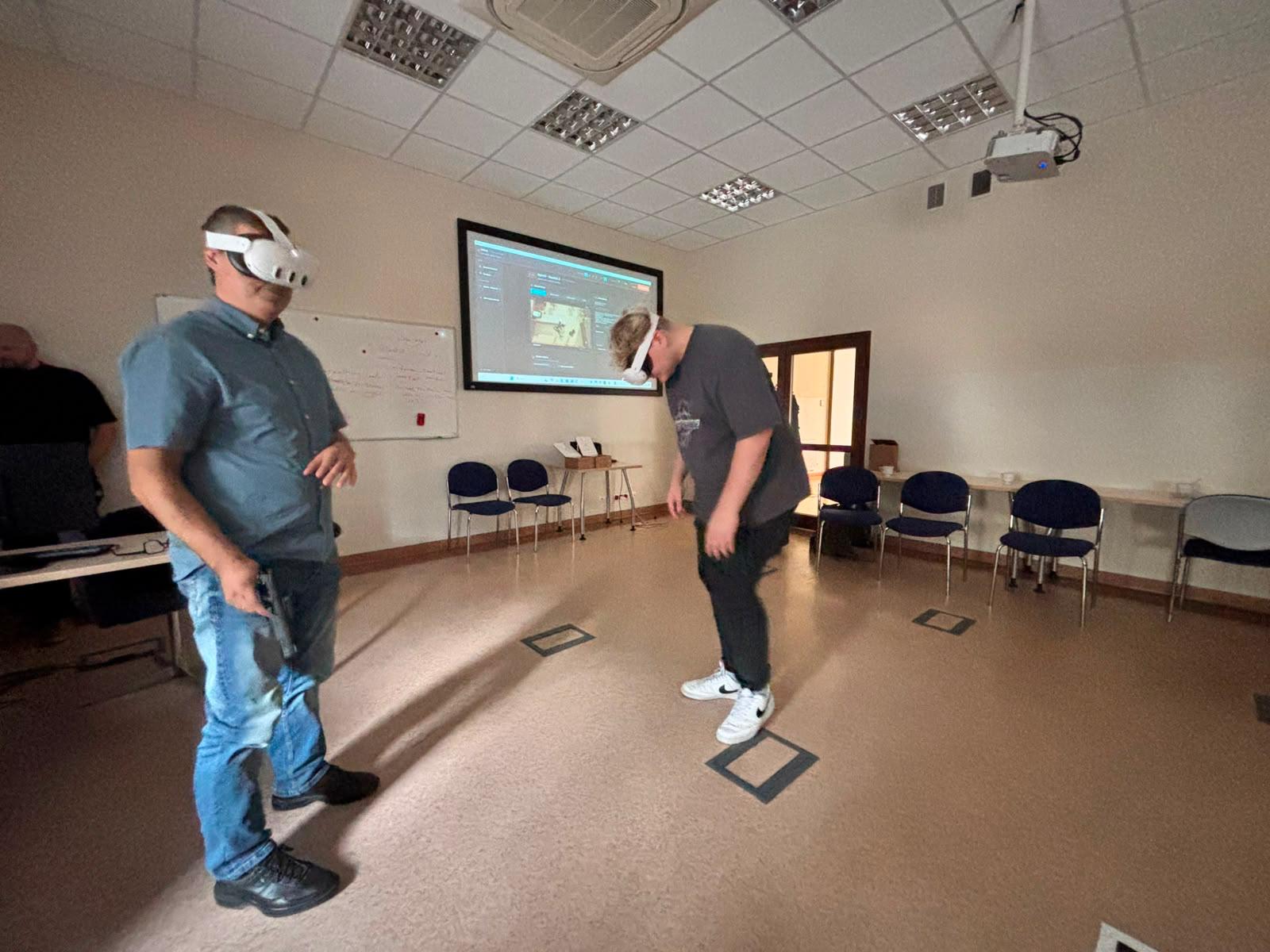
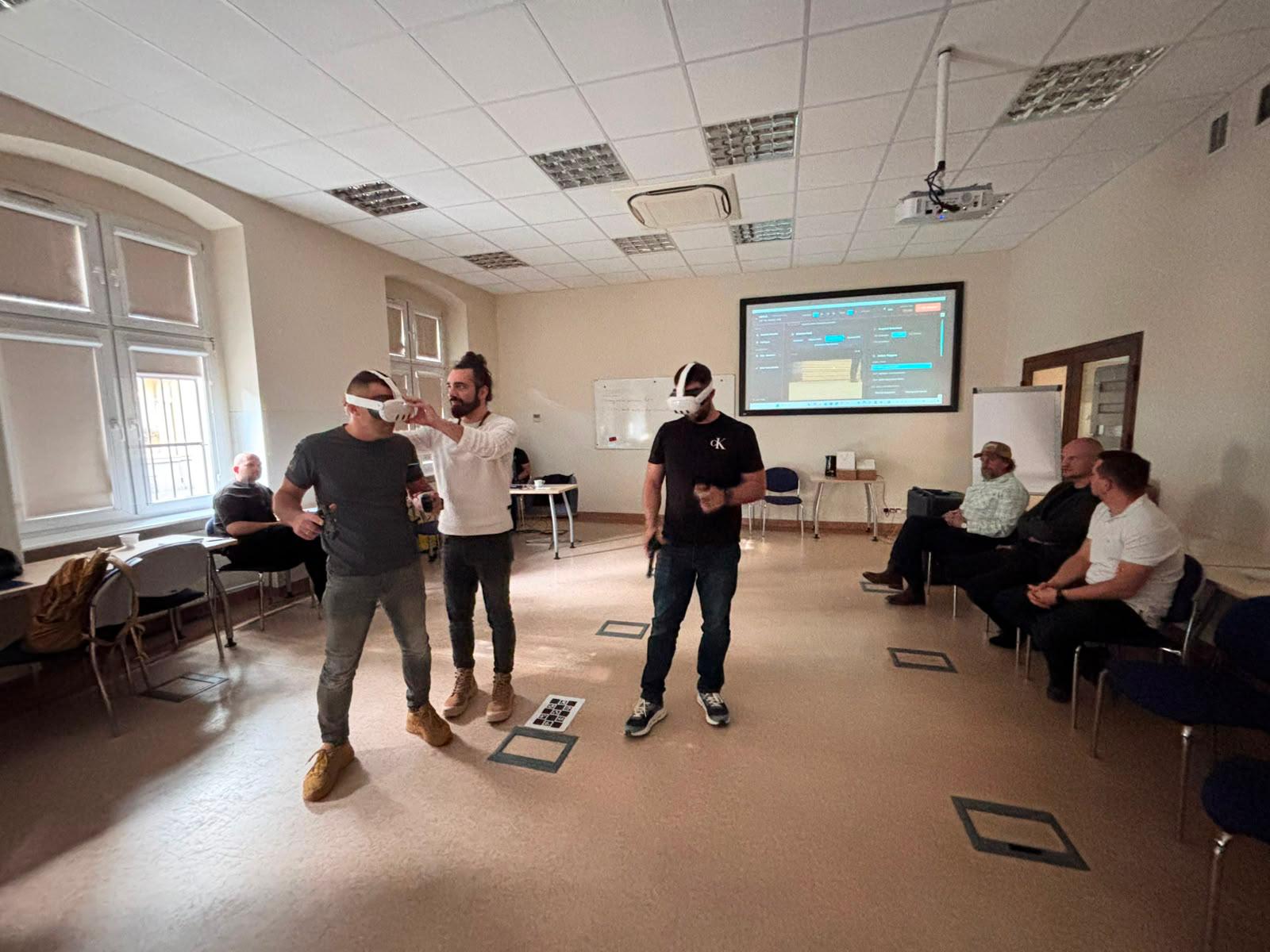
During the meeting, the technology partner, GLUK Media, presented the prototype of the VR training environment under development and demonstrated the system’s functionality. Project partners from Lithuania, Poland and Latvia had the opportunity to test the virtual environment themselves, assess its capabilities and provide feedback for further improvements.
Particular attention was paid to the content of the training scenarios and their relevance to real-life police situations. The scenarios being developed as part of the project cover tactical medicine based on the MARCH protocol, conflict management and communication, and police operations in public spaces. The partners reviewed each scenario, refined the roles of instructors and trainees, identified key decision-making points and explored alternative ways in which situations could unfold.
Discussions also focused on how the VR training environment could be integrated with existing police training methods and practical exercises. The hands-on experience of police training experts plays an important role in ensuring that the solutions being developed meet the actual needs of police training and can be effectively applied in the learning process.
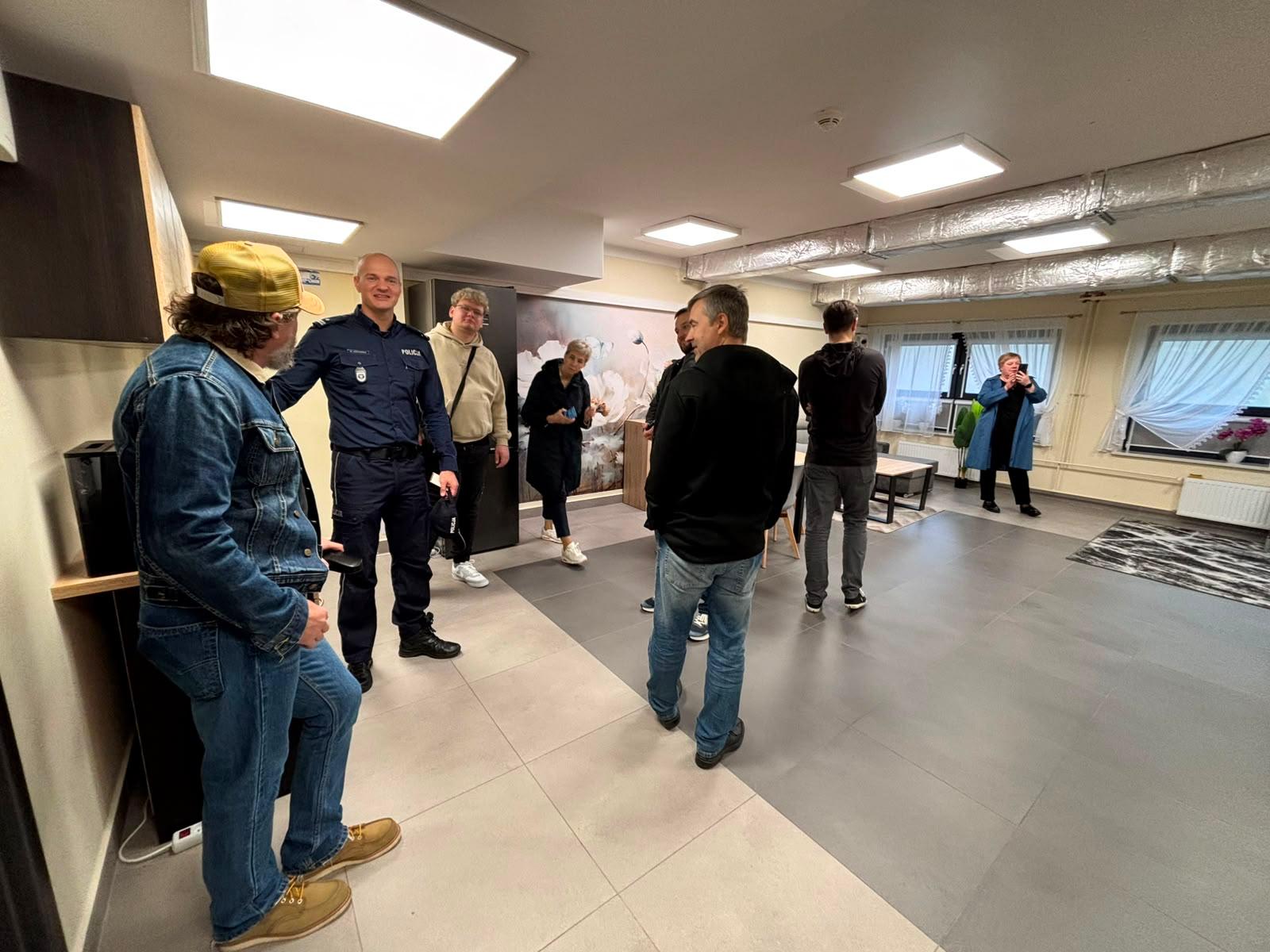
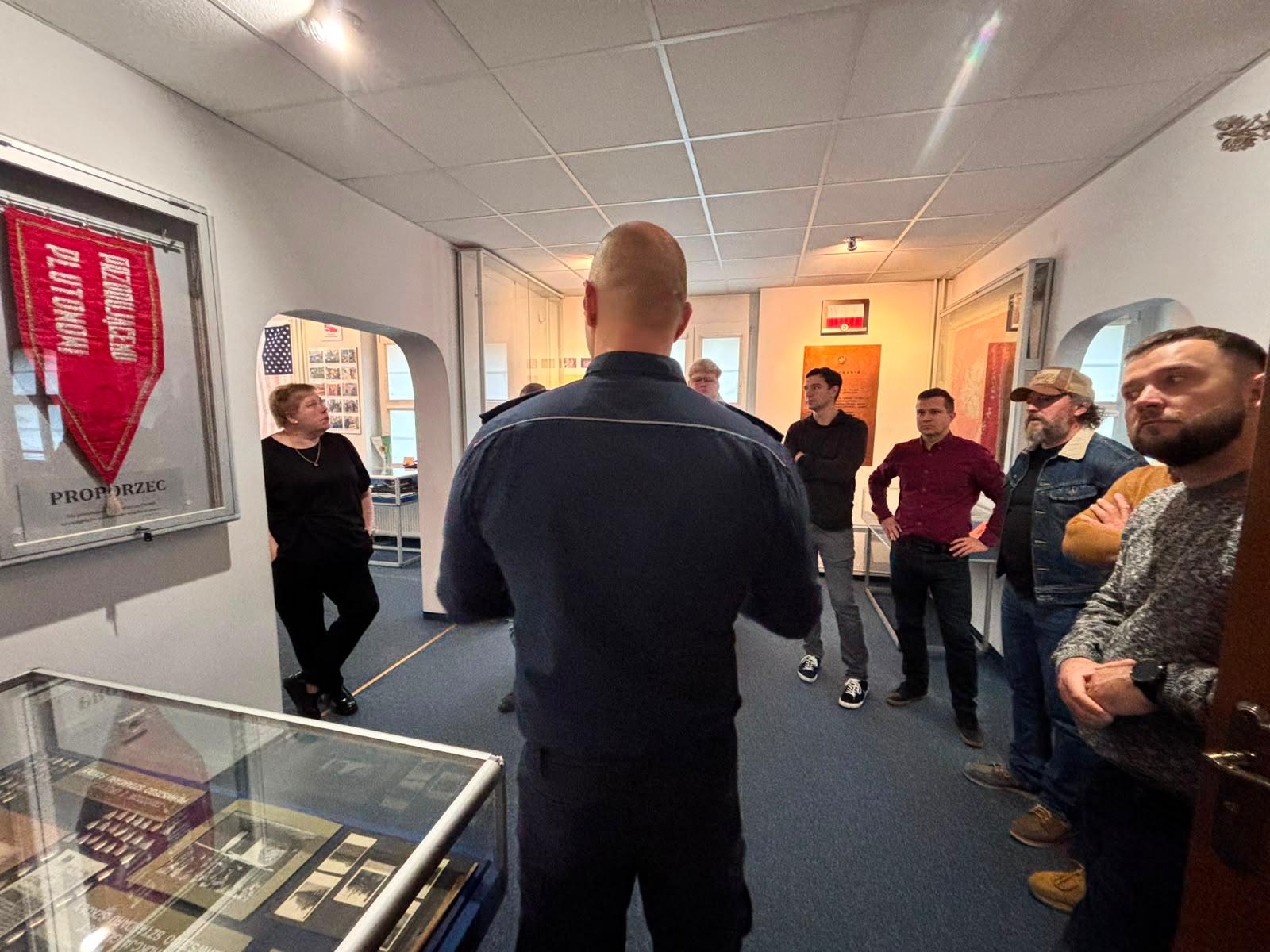
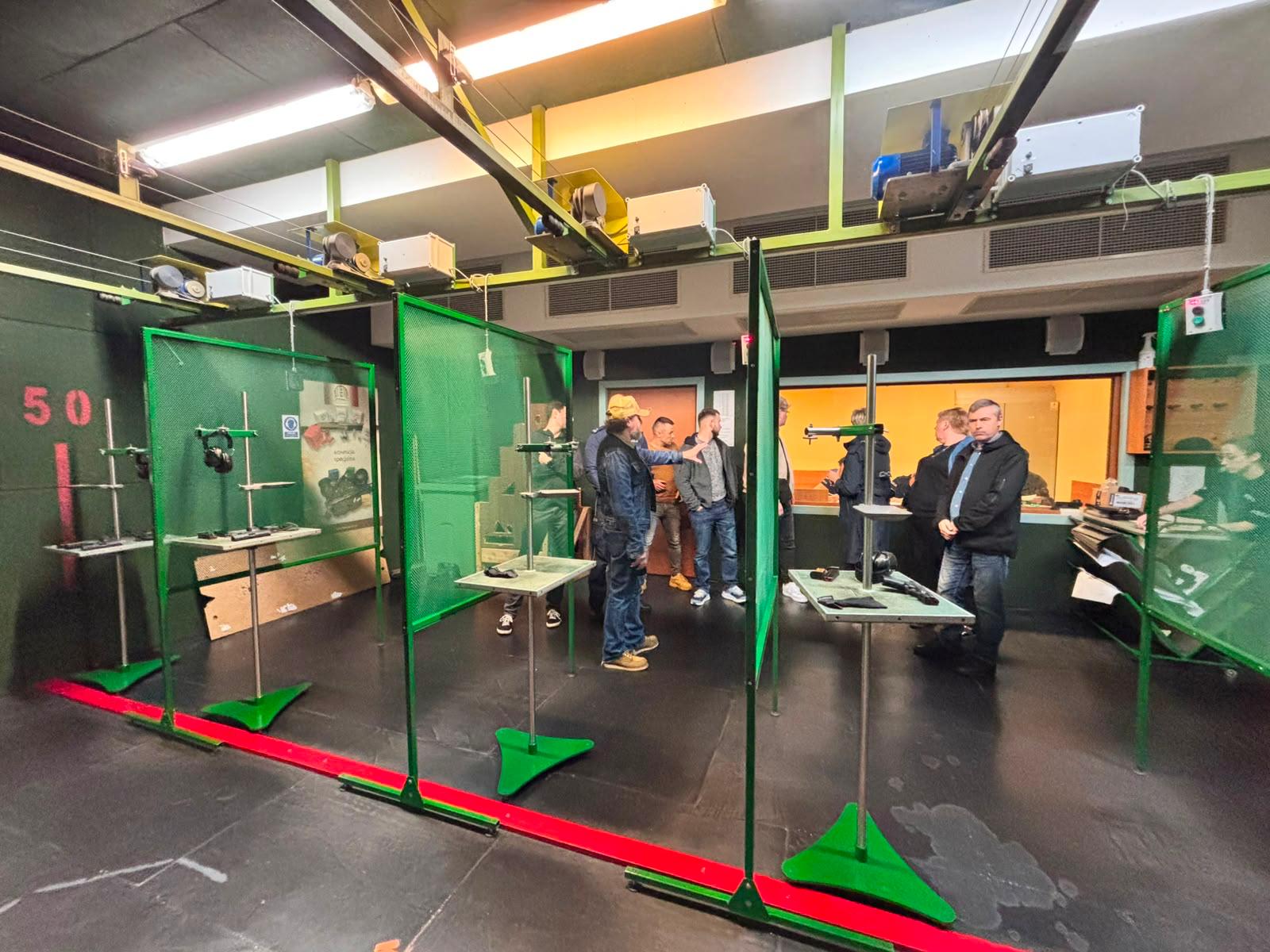
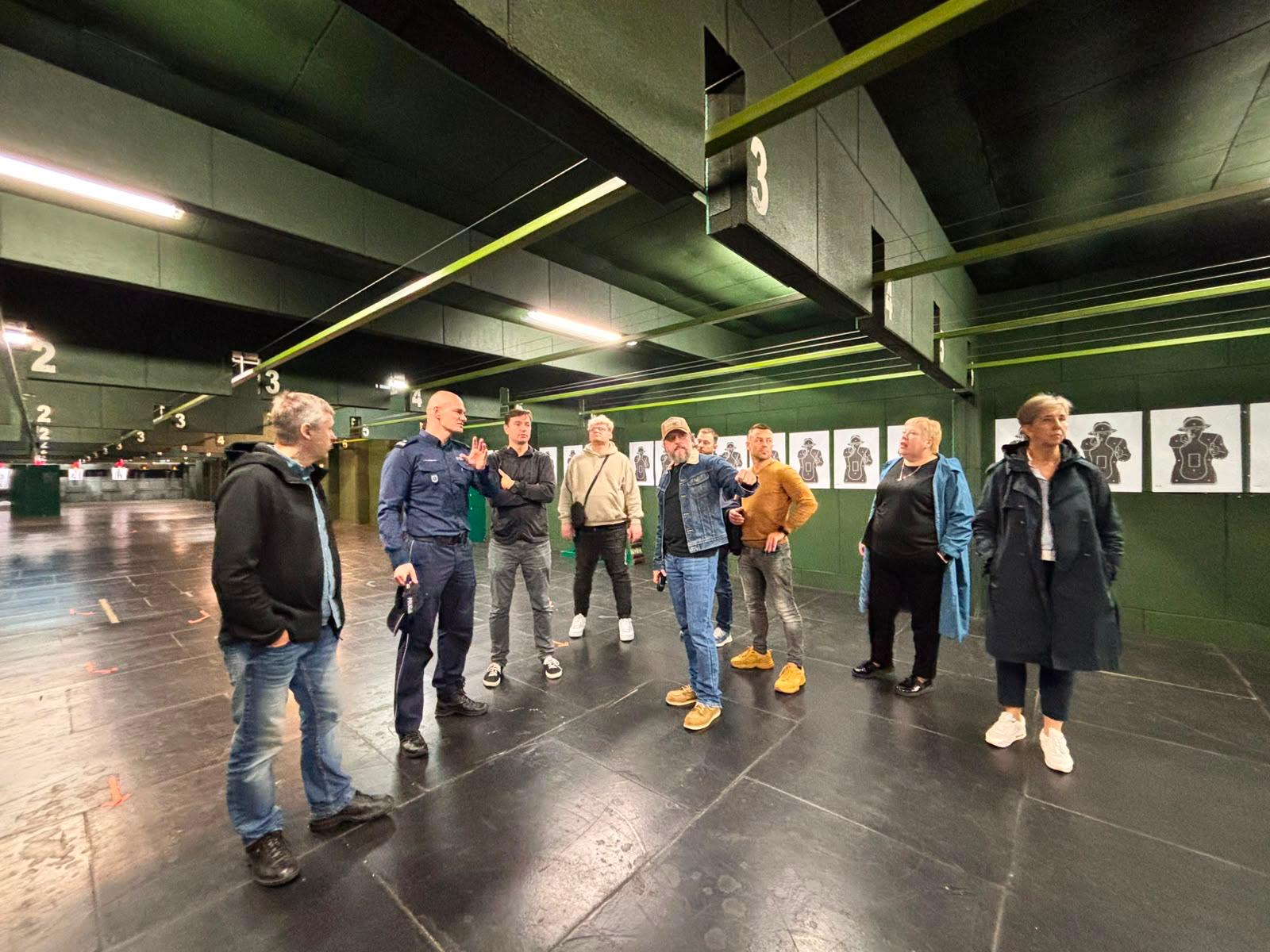
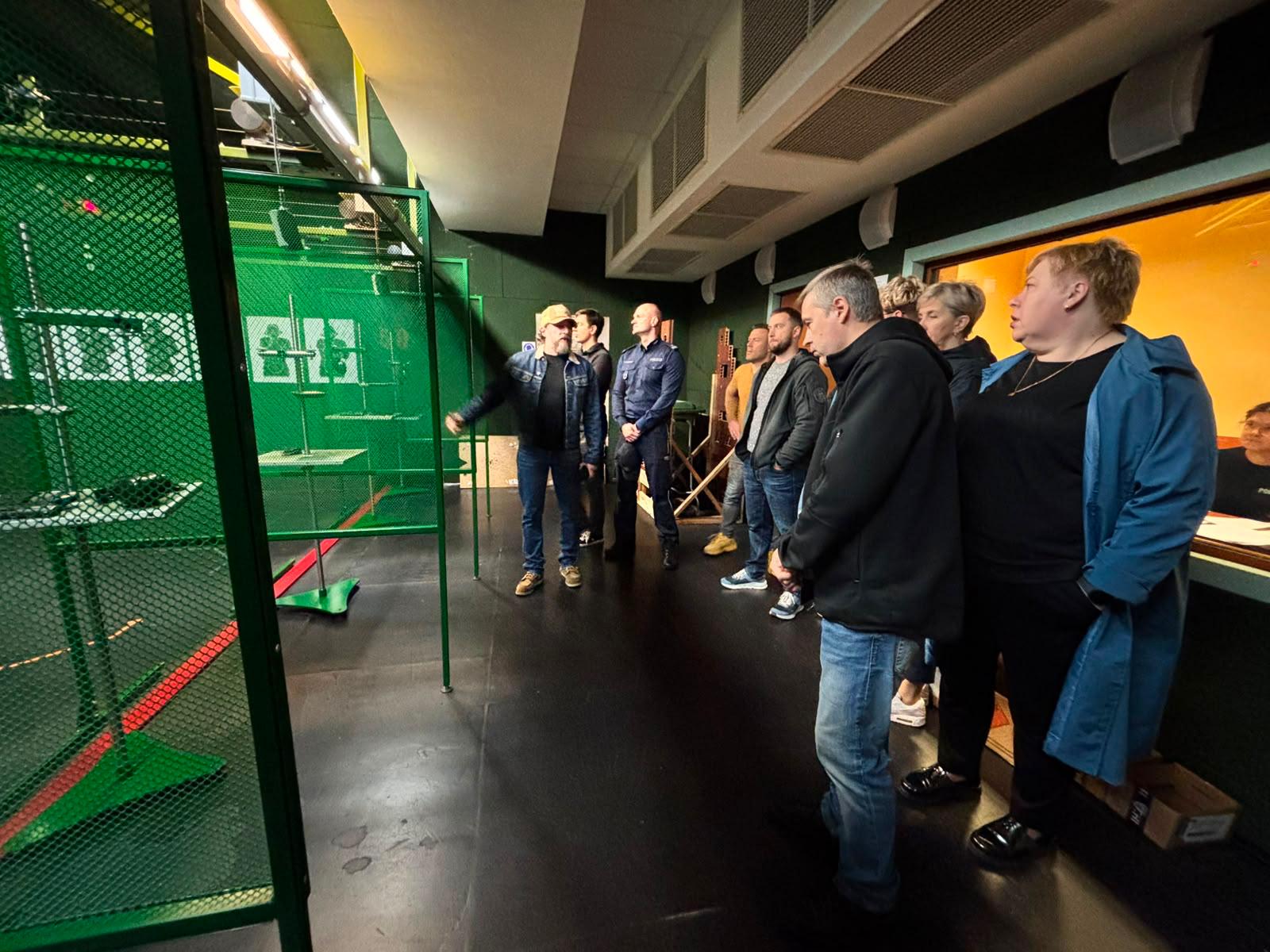
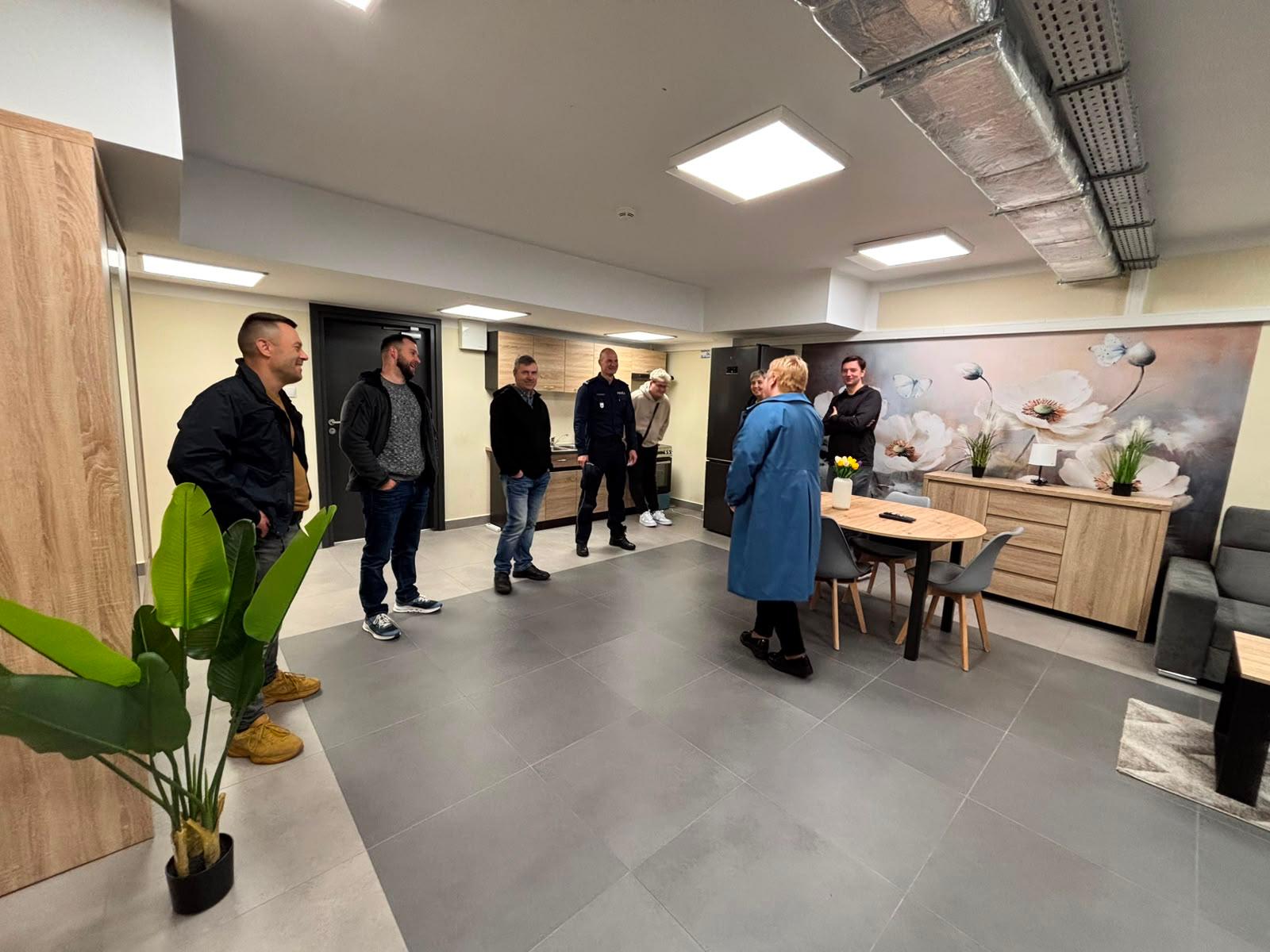
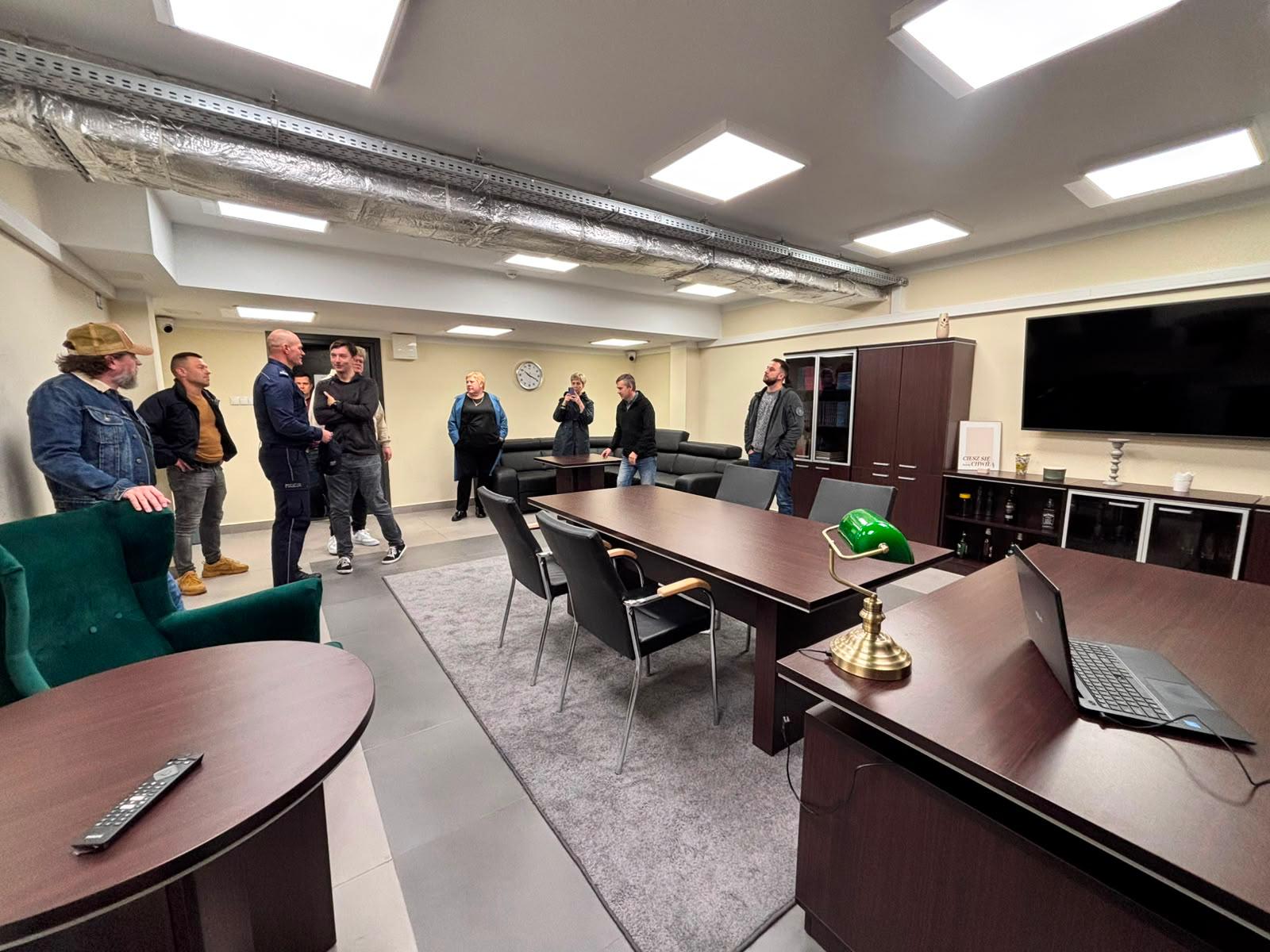
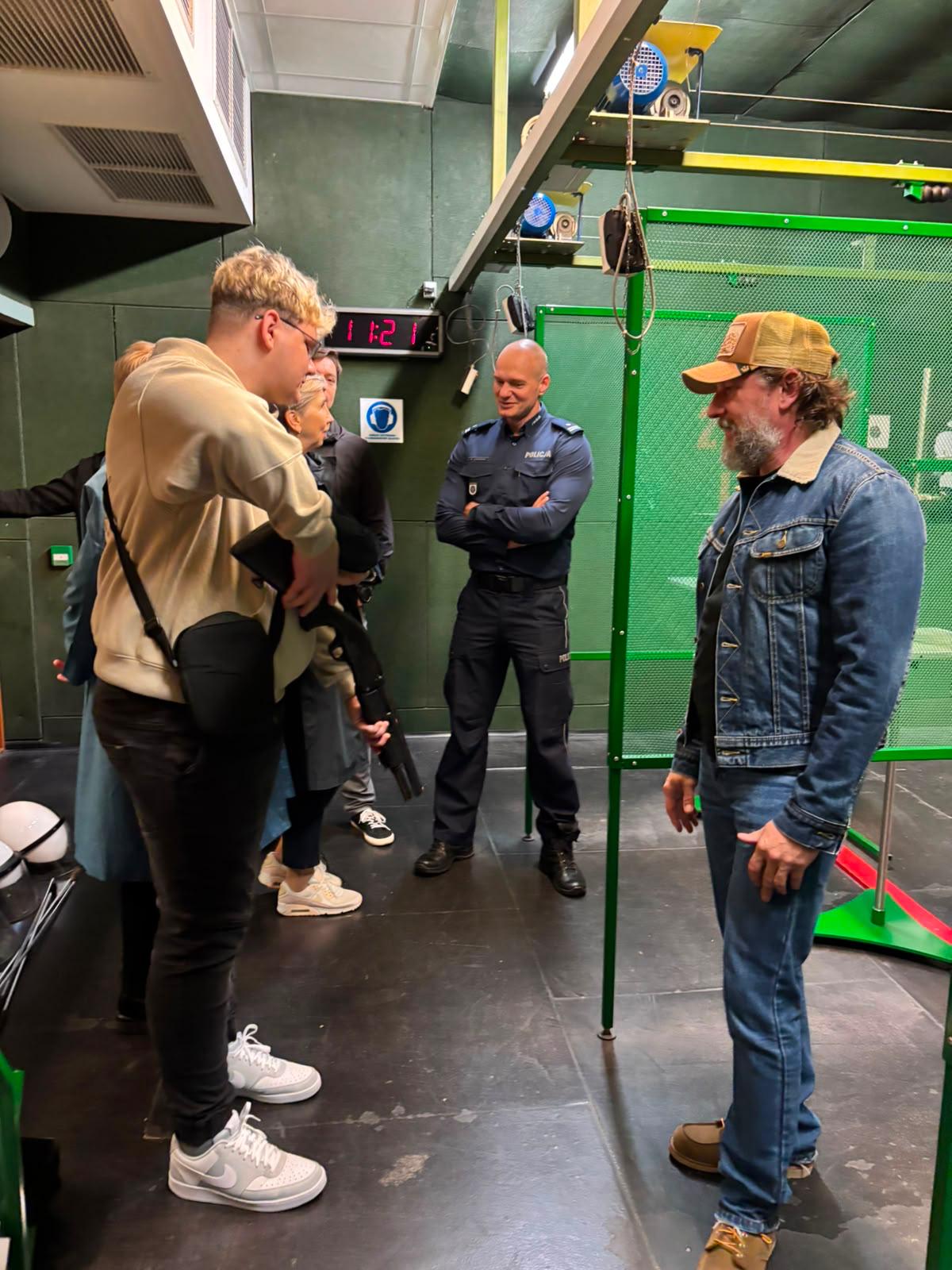
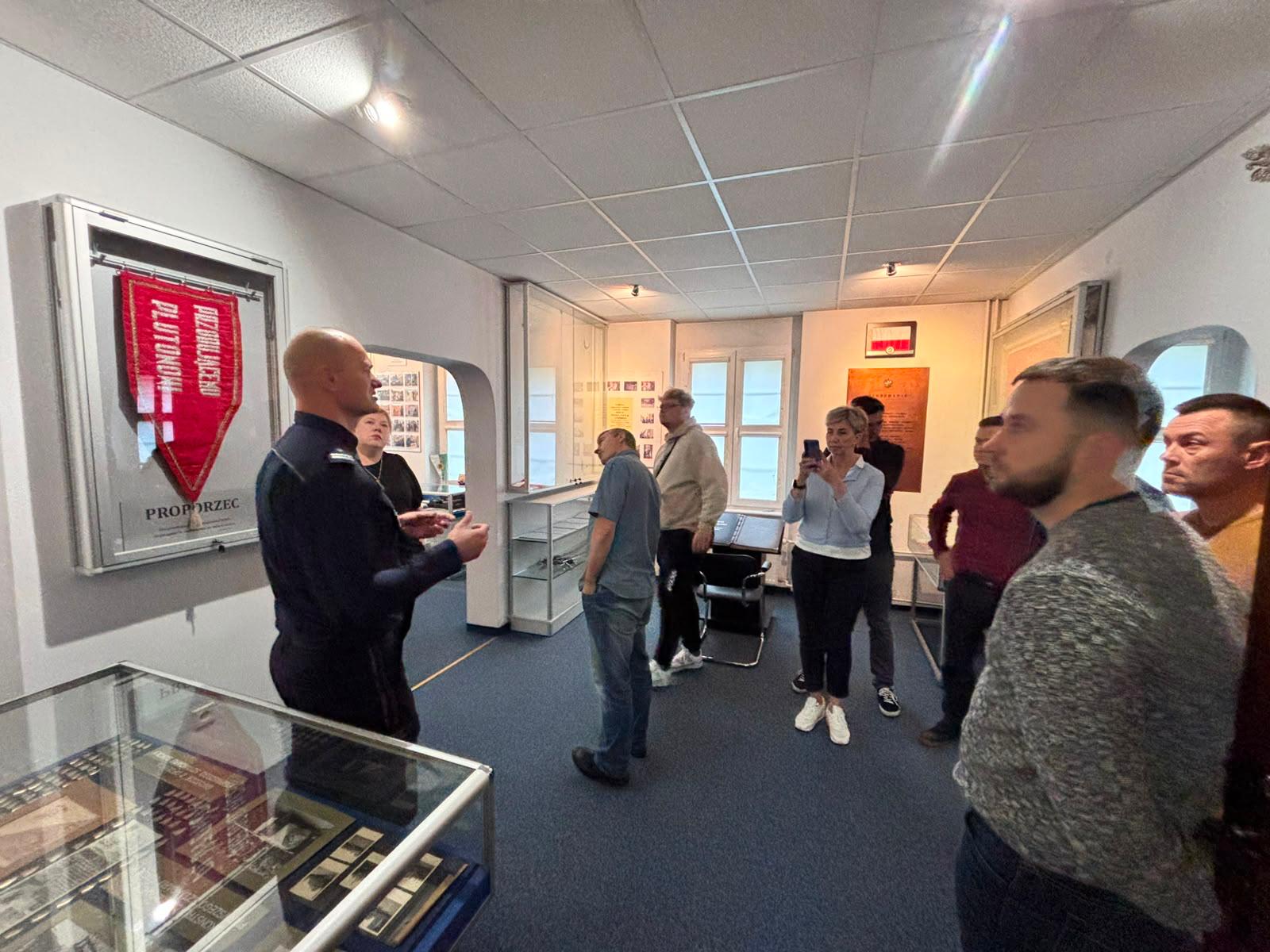
During the visit, the partners also visited the Police Training Centre in Gdańsk, where they learned about its activities and police training practices. The TECC Paramedyk 2026 competition held at the centre provided an opportunity to observe practical tactical medicine exercises and compare them with the MARCH-based training scenario being developed within the VIRTLE project. Such experience is particularly valuable in ensuring that situations recreated in the virtual environment are as realistic as possible.
From scenario development to practical testing
The next important stage of the project will take place in Lithuania. On 16–20 November, the Lithuanian Police School will host training sessions for project experts, during which they will be introduced to the VR training solutions developed within the project and learn how to operate and integrate them into the training process.
Virtual reality technologies make it possible to recreate complex and potentially dangerous situations in a safe environment, develop decision-making skills, analyse actions and repeat training exercises. This represents an important step towards more modern, interactive and effective police training.
The VIRTLE project is implemented under the European Union’s Erasmus+ programme. The project partners are the Lithuanian Police School, the Police School in Słupsk (Poland), the State Police College of Latvia and GLUK Media (Lithuania).
Last updated: 15-10-2026
Related news:
What Did Representatives of the Lithuanian Police School Bring Back from Catalonia?
Virtual reality will modernise police training
“Learning Not from Textbooks, but from Experience”: U.S. Experts Trained Police Instructors
International Pilot Training of Police Officers "FIRST-TAC": The Use of Force and Tactical Medicine
FIRST-TAC Project Pilots New First Responder Training Curriculum in Croatia