

Virtual reality will modernise police training
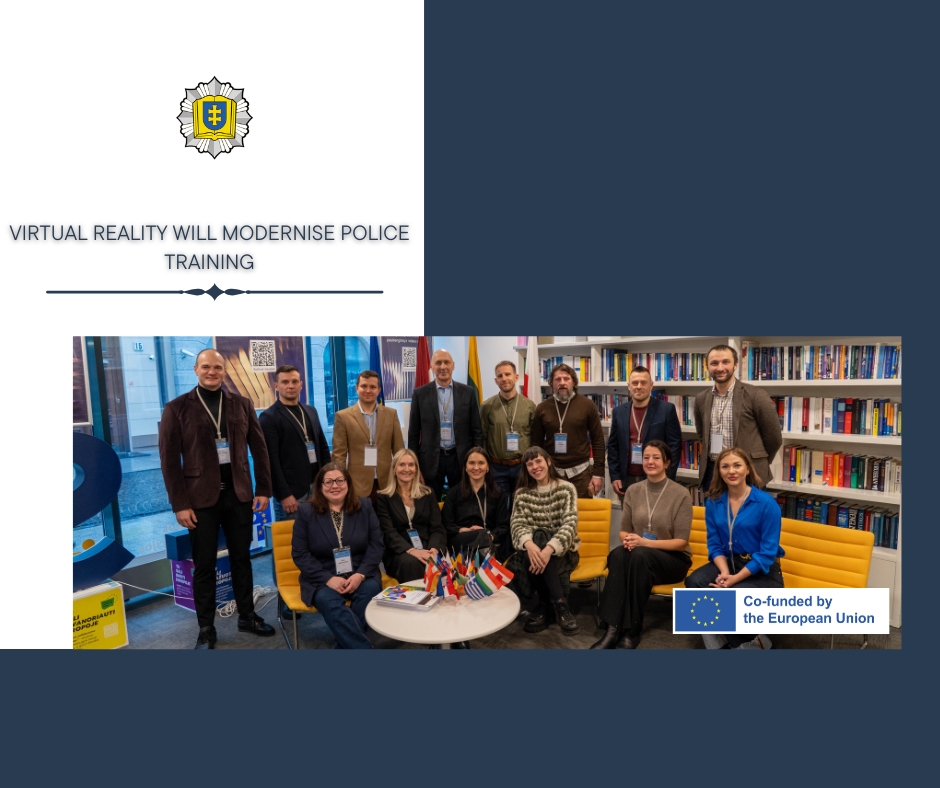
How can future police officers be prepared for complex and dangerous situations where decisions must be made in seconds? How can trainees safely acquire practical skills before facing real-life threats? The Lithuanian Police School (LPS), together with partners from Latvia and Poland, is launching the innovative Erasmus+ project VIRTLE, which aims to answer these questions through the use of virtual reality.
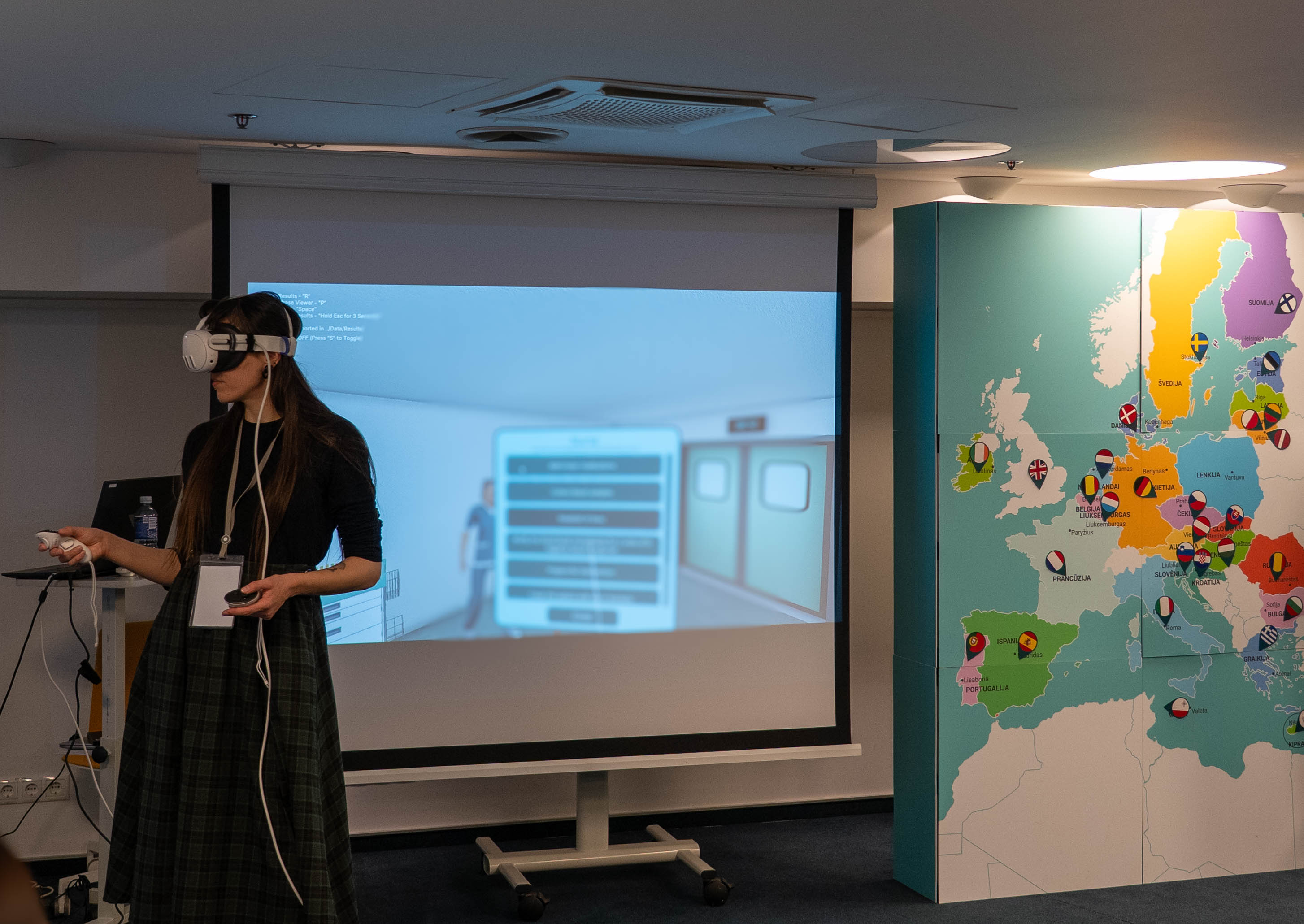
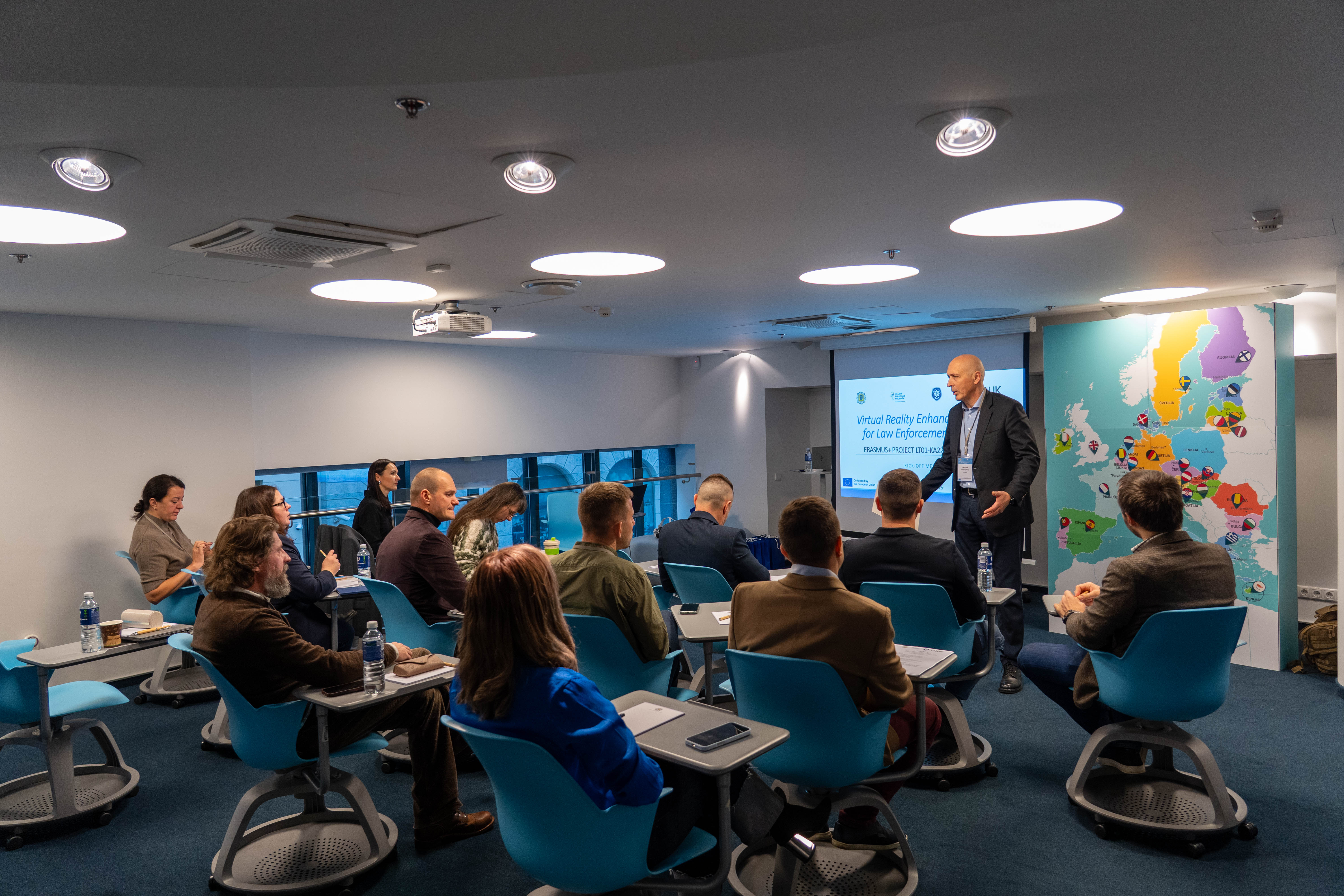
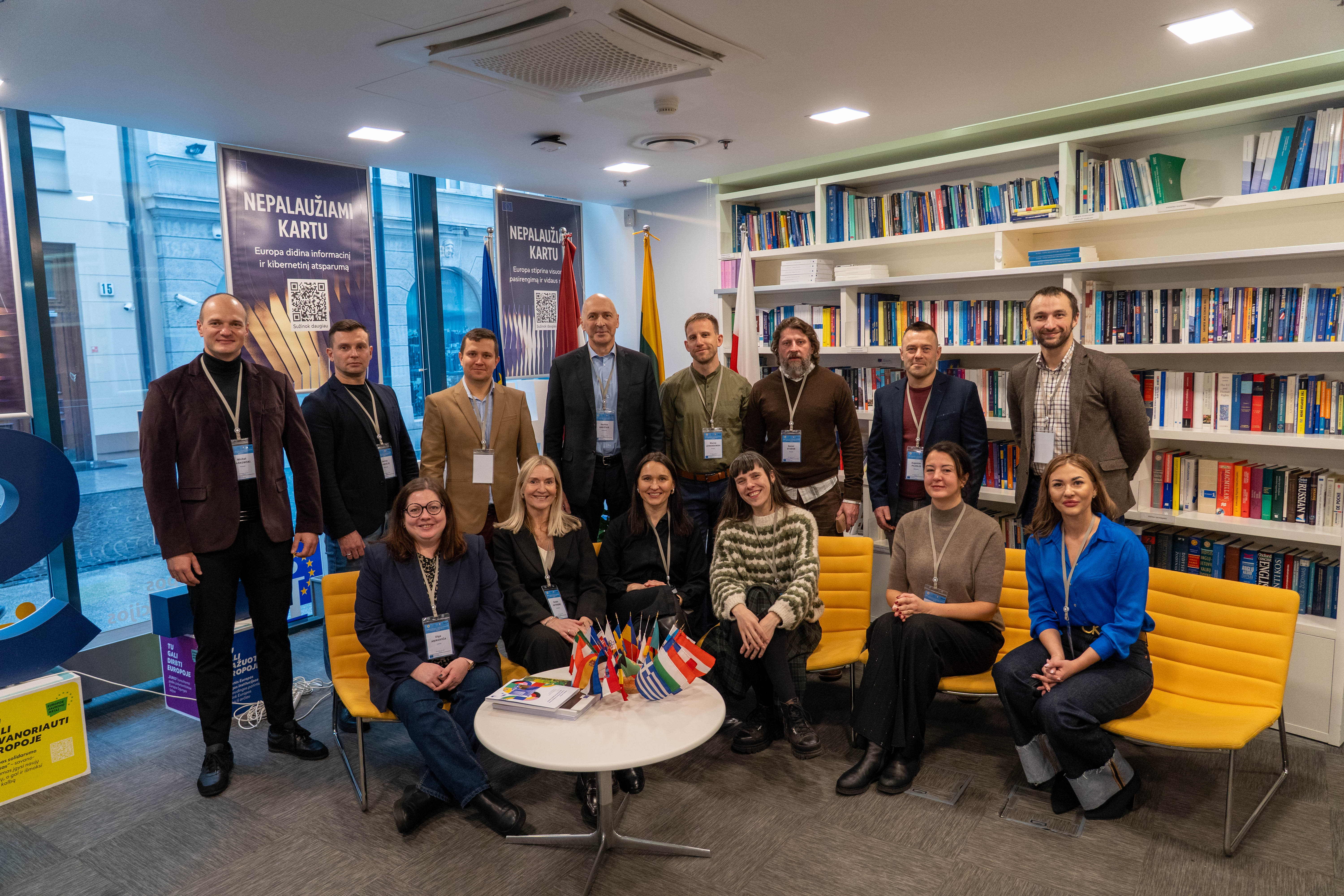
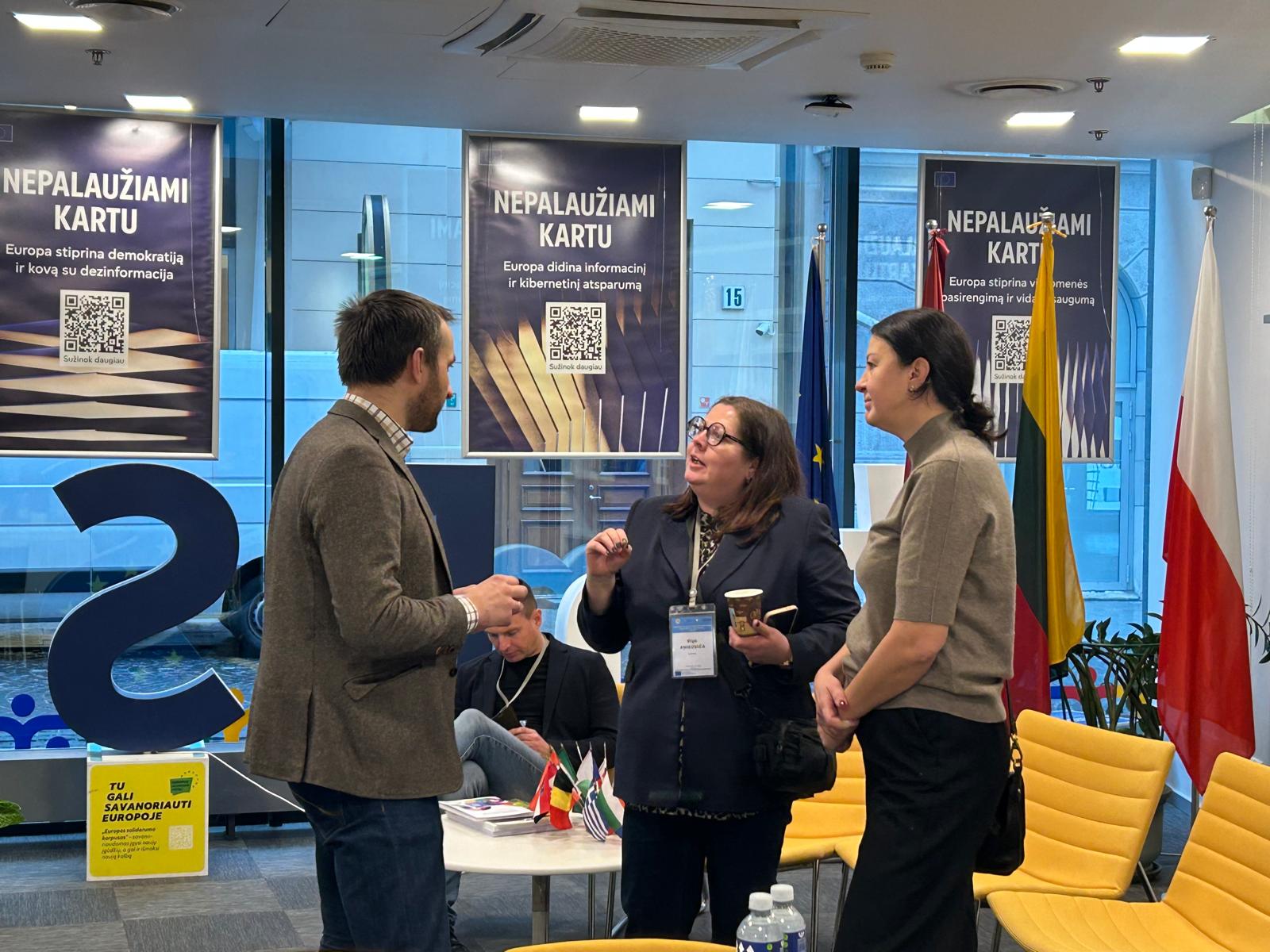
On 19 November, the first partner meeting of the international project “Virtual Reality Enhanced Training for Law Enforcement” (VIRTLE) was held at the European Parliament Liaison Office in Vilnius, marking the start of two years of intensive work. The project’s goal is to develop modern training methodologies that will allow trainees to immerse themselves in highly realistic yet safe VR-based training environments.
During the opening, Dovaidas Pabiržis, representative of the European Parliament Office in Lithuania, highlighted that as Europe faces new and evolving security challenges, innovative training methods such as VR are becoming increasingly important in preparing police officers to operate effectively at both national and international levels.
From theory to virtual practice
Throughout the project, LPS, the State Police College of Latvia and the Słupsk Police School (Poland), together with technology partner Gluk Media, will create three VR training scenarios reflecting complex and high-pressure policing situations:
- Tactical Medicine (MARCH Protocol)
- Communication with conflictual individuals
- Tactical actions in public spaces
“Our participation in Erasmus+ provides a unique opportunity to modernise police training and work with a highly professional international team,” said project manager Saulius Greičius during the meeting. “Virtual reality enables safe and realistic training in situations that would be too dangerous or costly to recreate in traditional exercises. This is an investment in the professionalism and safety of future officers, helping them prepare for the most challenging operational situations.”
The greatest advantage of VR technology lies in its ability to offer repeated practice, error analysis and the improvement of tactical and communication skills within a safe environment. Trainees can repeat tasks until correct reactions become instinctive. This not only increases confidence, but also contributes significantly to officer and public safety in real-world scenarios.
International experience – for a shared goal
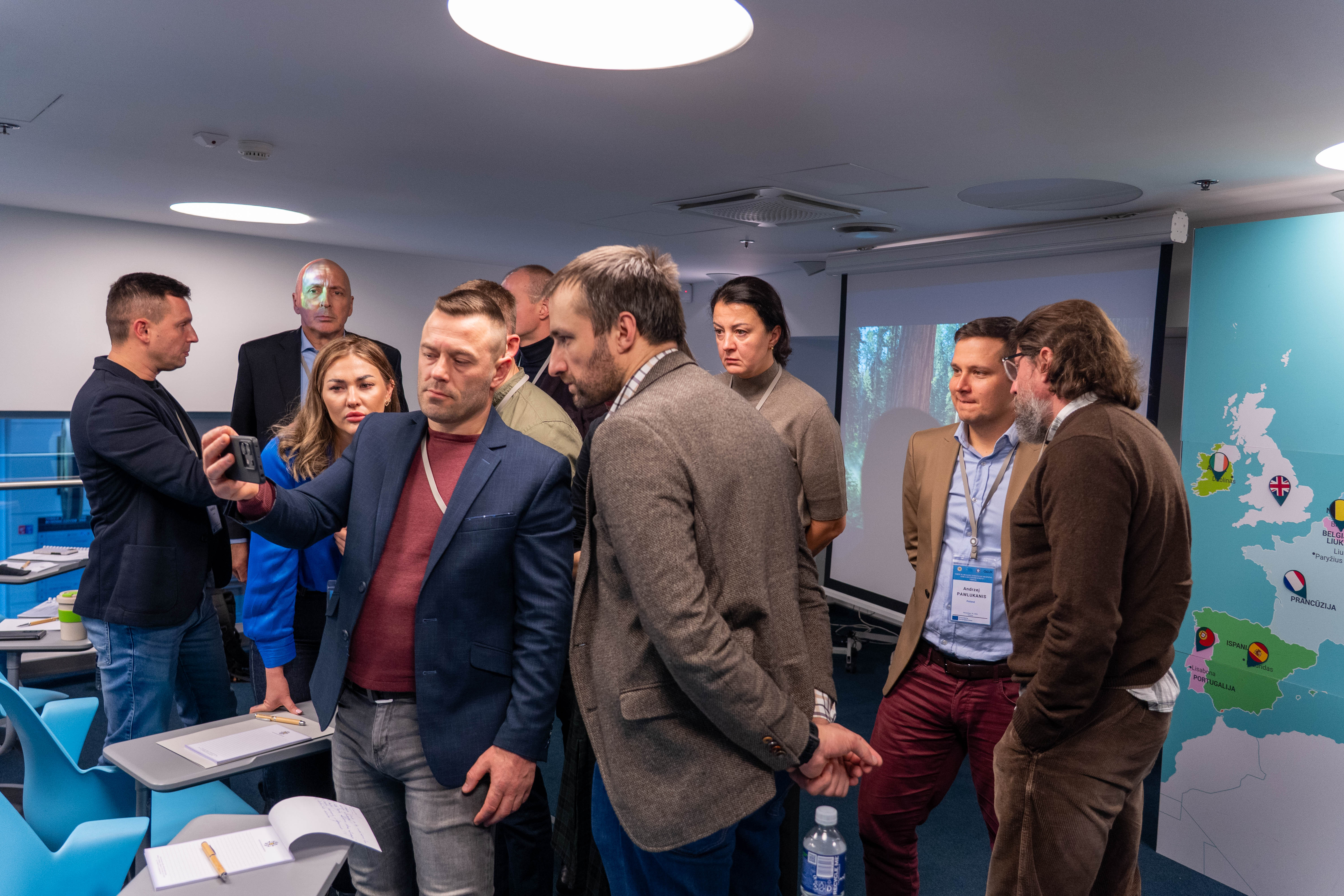
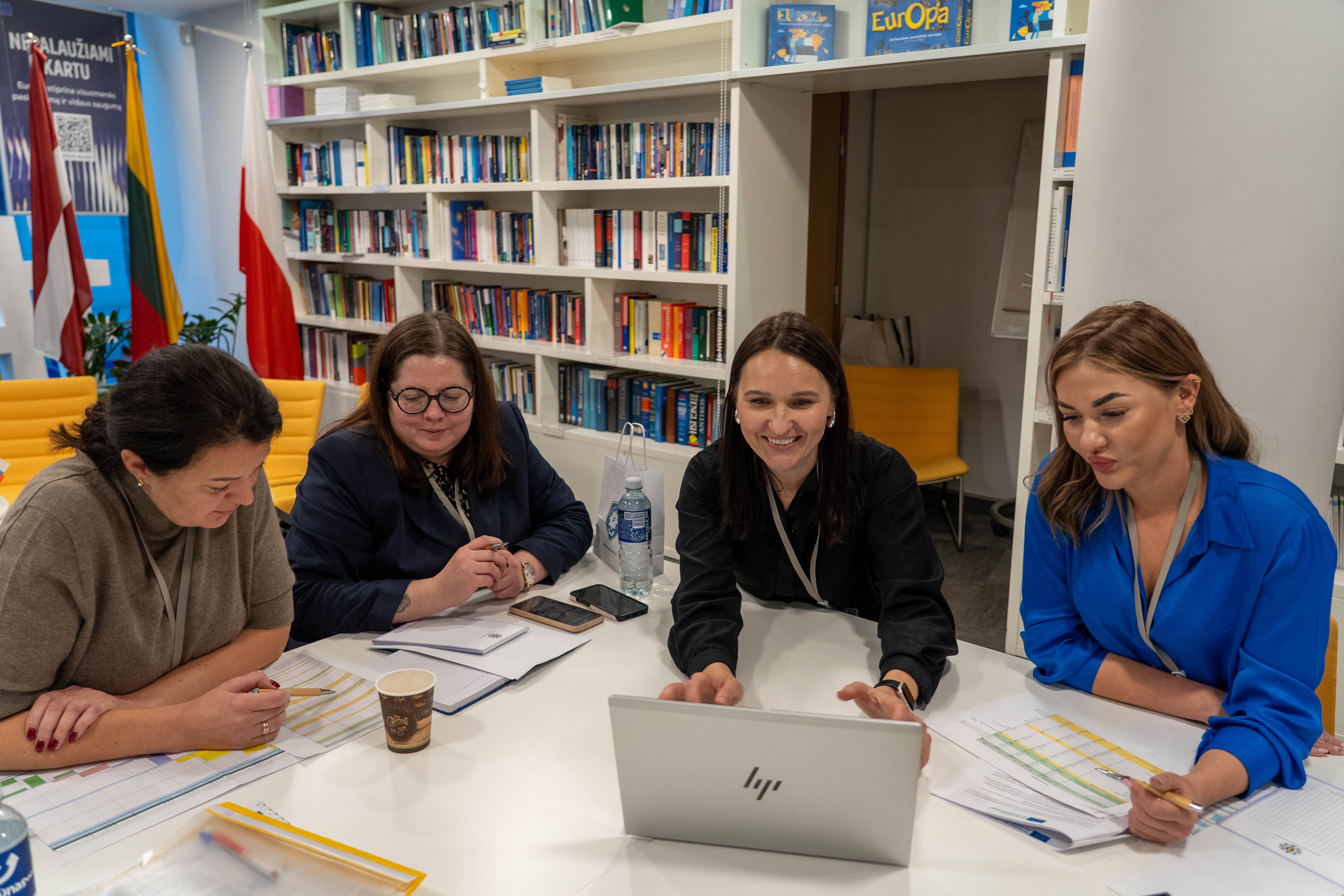
During the first meeting, partners discussed project management matters, organised an intensive creative session and examined one of the upcoming challenges: how to design training content that is universal, not tied to national legislation, and applicable across all partner countries.
The VIRTLE project began on 1 November 2025 and will run for 24 months. The VR tools developed during this period will be integrated into police training programmes in Lithuania, Latvia and Poland.
This project is an excellent example of how technology and international cooperation can improve police training, making it safer, more effective and better aligned with real operational demands.
Erasmus+ KA220 Strategic Partnership Project No. 2025-1-LT01-KA220-VET-000358639
“Virtual Reality Enhanced Training for Law Enforcement – VIRTLE”
Total project budget: €250,000
Funded by the European Union. The views and opinions expressed are those of the author(s) only and do not necessarily reflect those of the European Union or the granting authority. Neither the European Union nor the granting authority can be held responsible for them.
Last updated: 25-11-2025
Related news:
What Did Representatives of the Lithuanian Police School Bring Back from Catalonia?
“Learning Not from Textbooks, but from Experience”: U.S. Experts Trained Police Instructors
International Pilot Training of Police Officers "FIRST-TAC": The Use of Force and Tactical Medicine
FIRST-TAC Project Pilots New First Responder Training Curriculum in Croatia