

“Learning Not from Textbooks, but from Experience”: U.S. Experts Trained Police Instructors
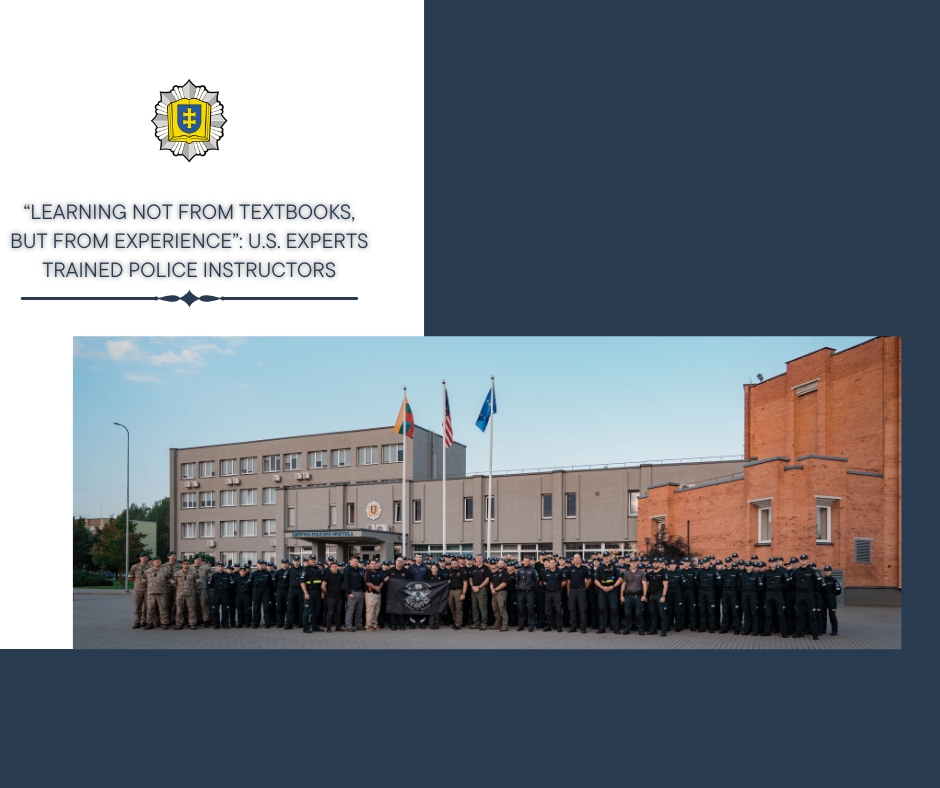
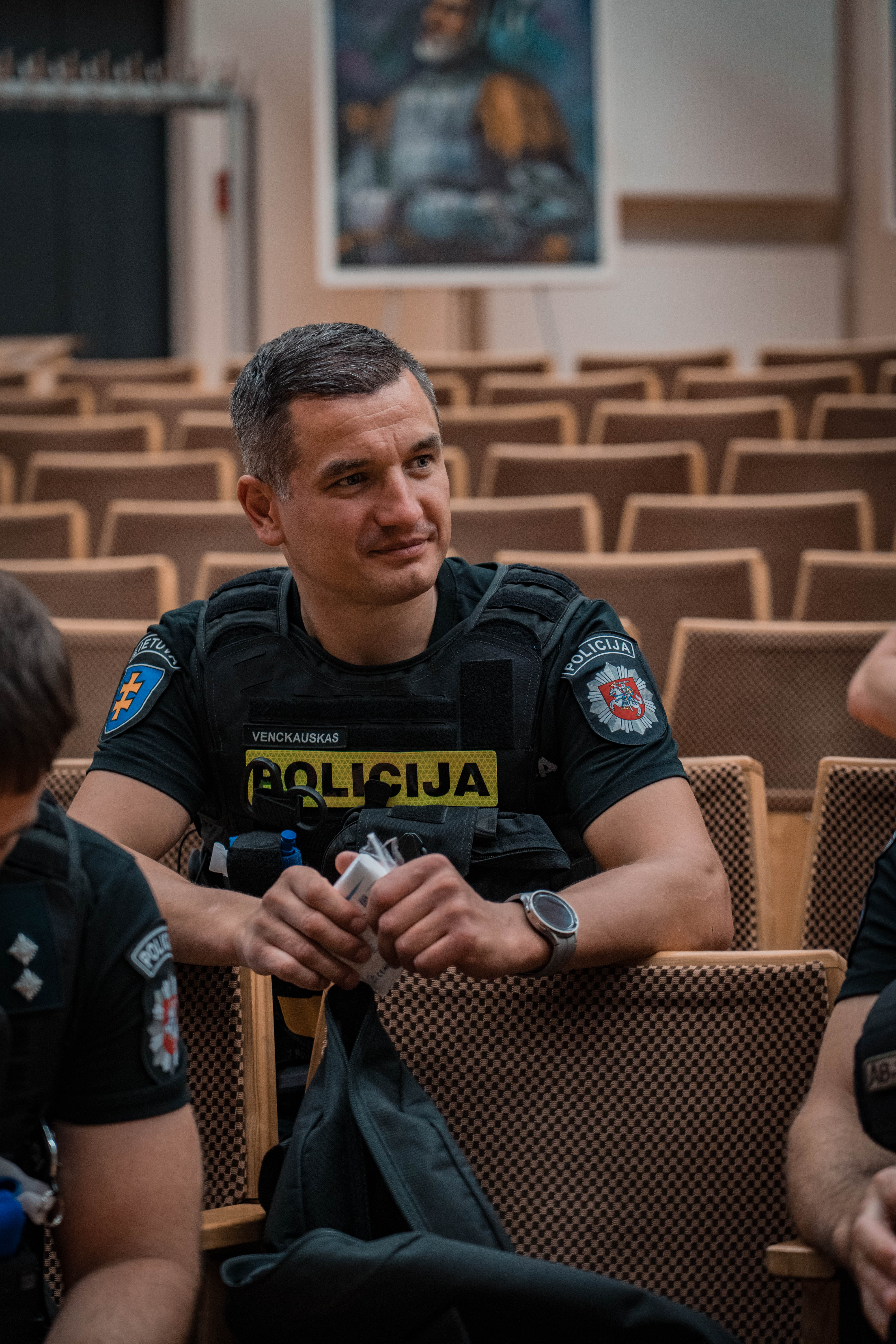
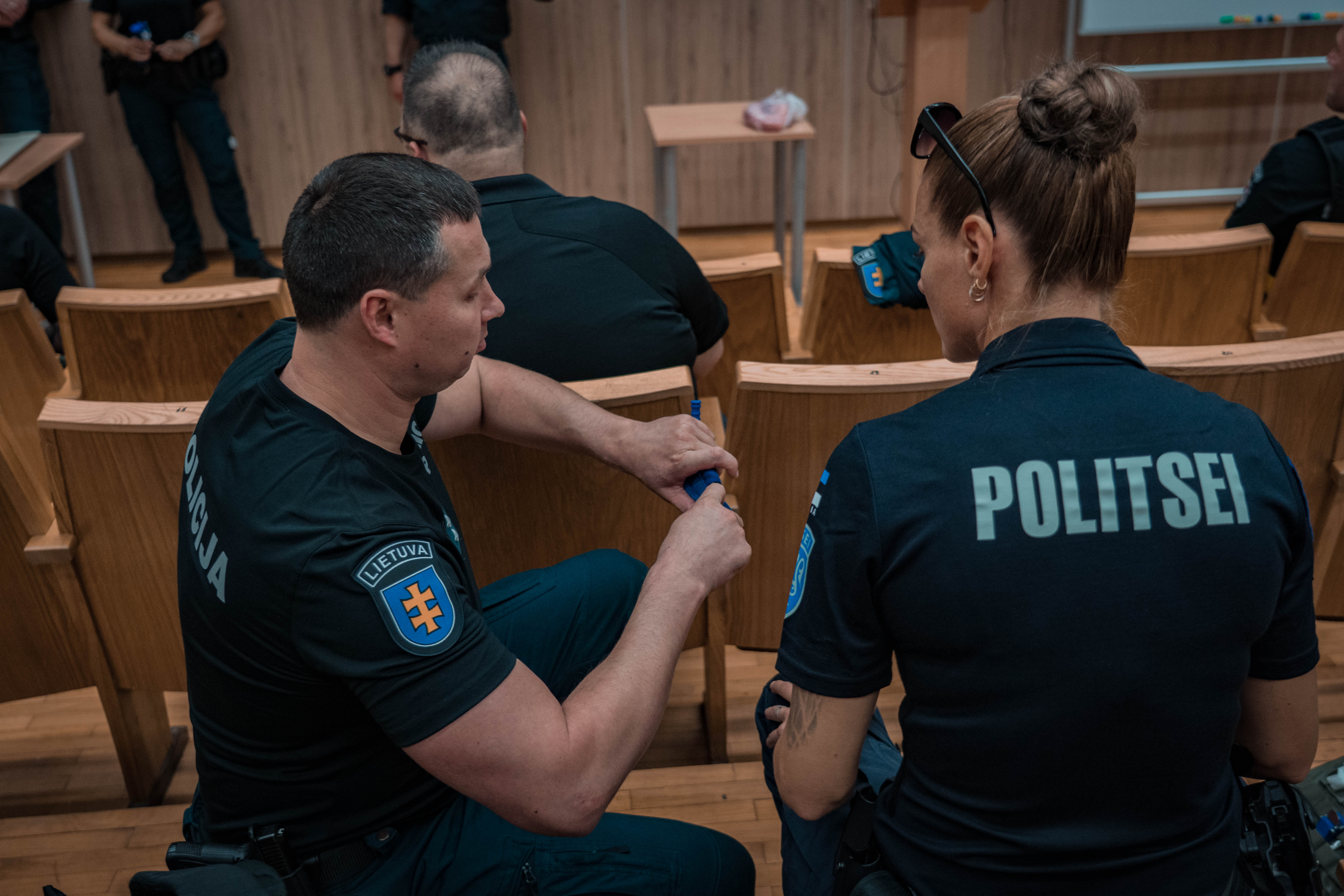
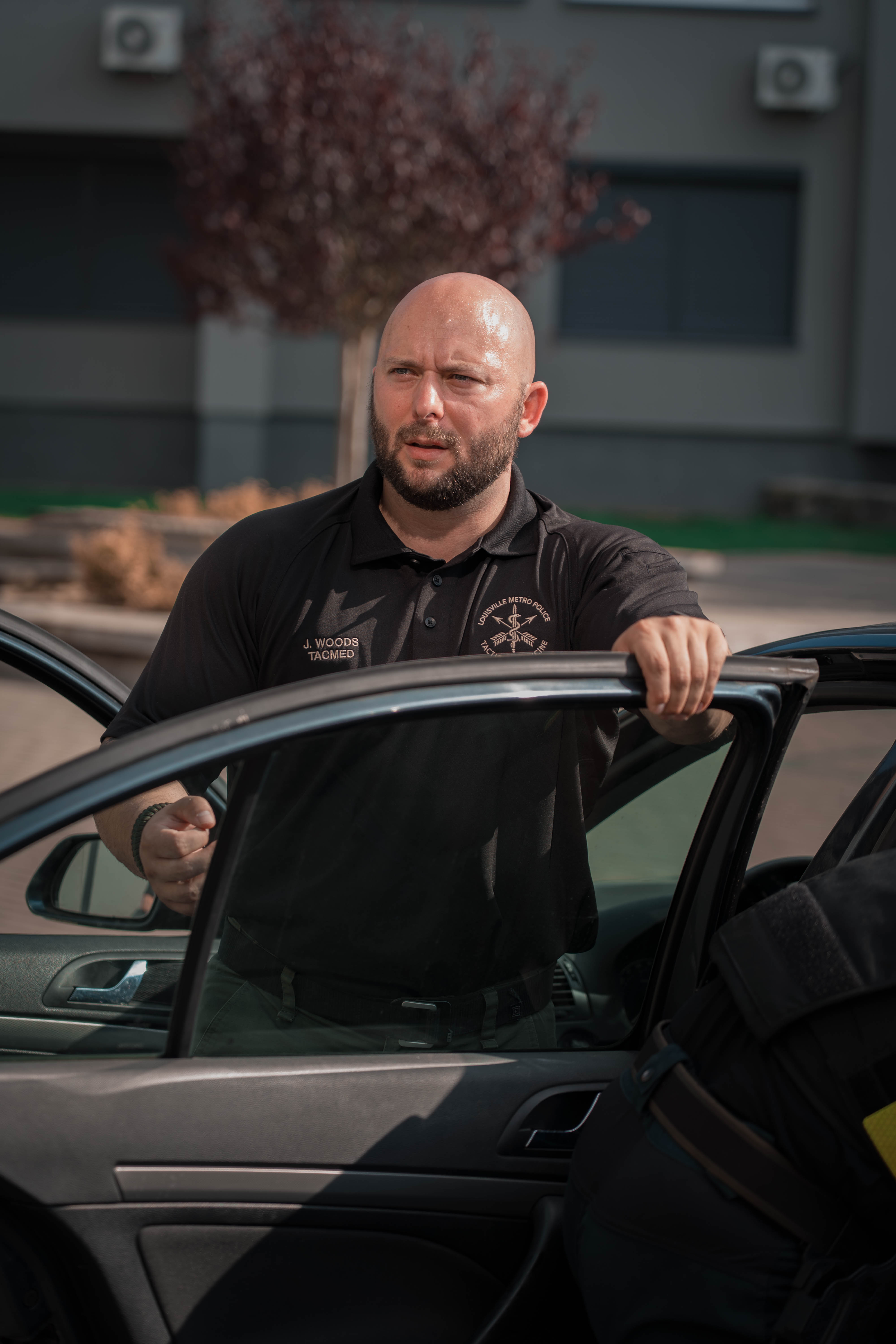
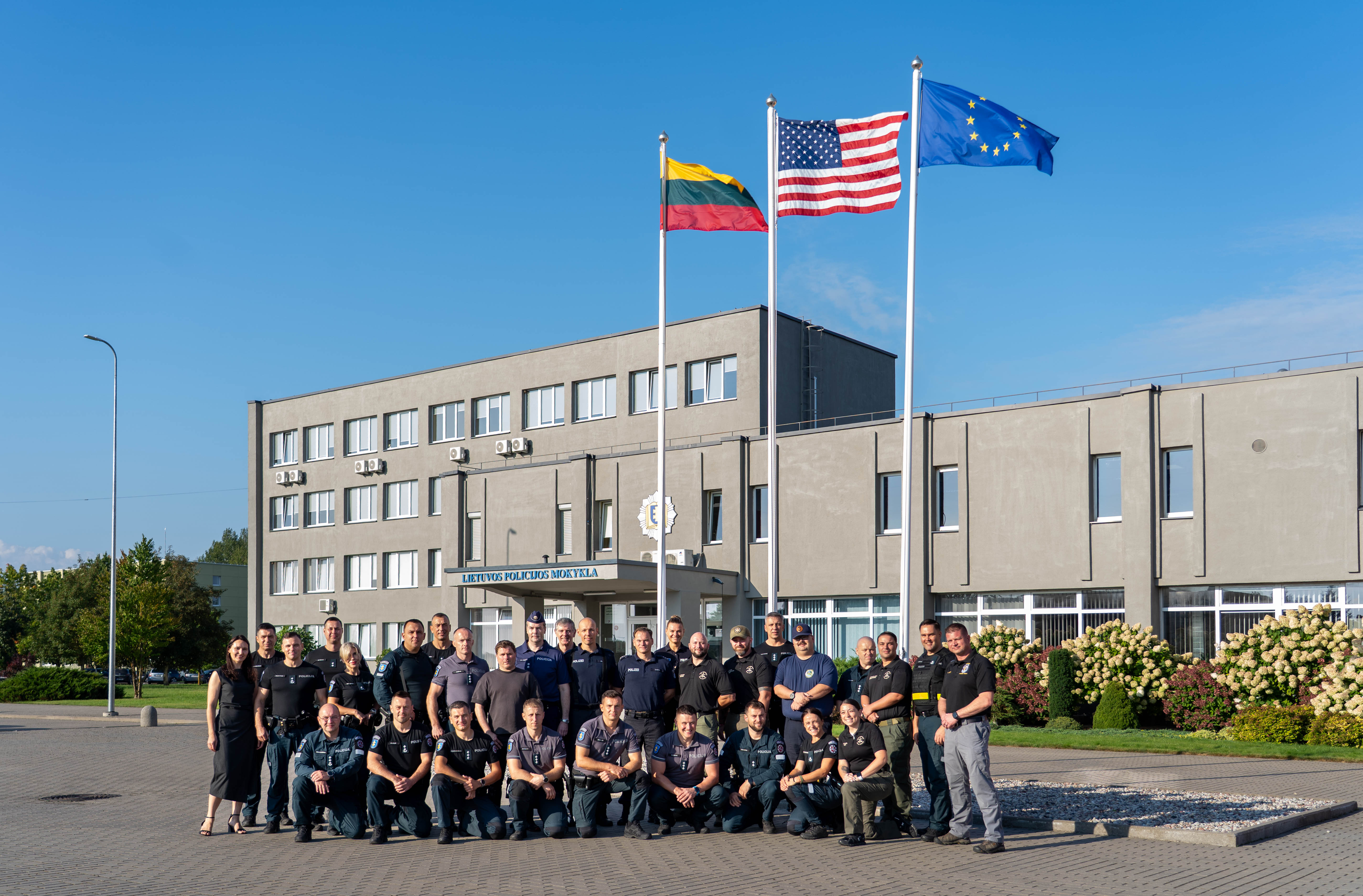
From September 8–12, the Lithuanian Police School (LPS) hosted intensive international training sessions on Tactical Medicine (TACMED) and the Incident Command System (ICS). Experts from the United States – the Louisville Metro Police Department and other institutions – shared their knowledge and experience. The training was funded by the Baltic-American Freedom Foundation (BAFF) under the Baltic-American Security Exchange (BASE) Program.
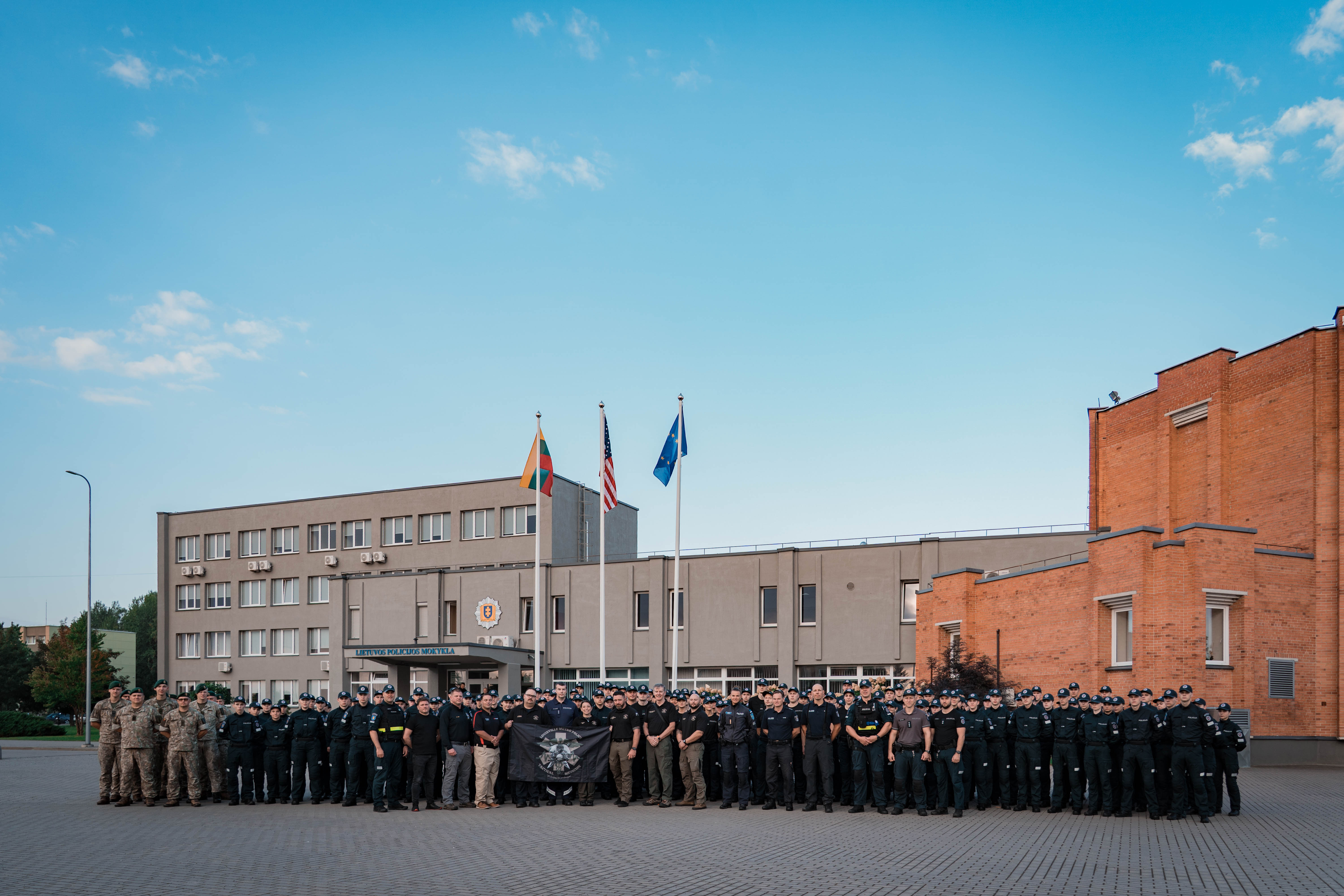
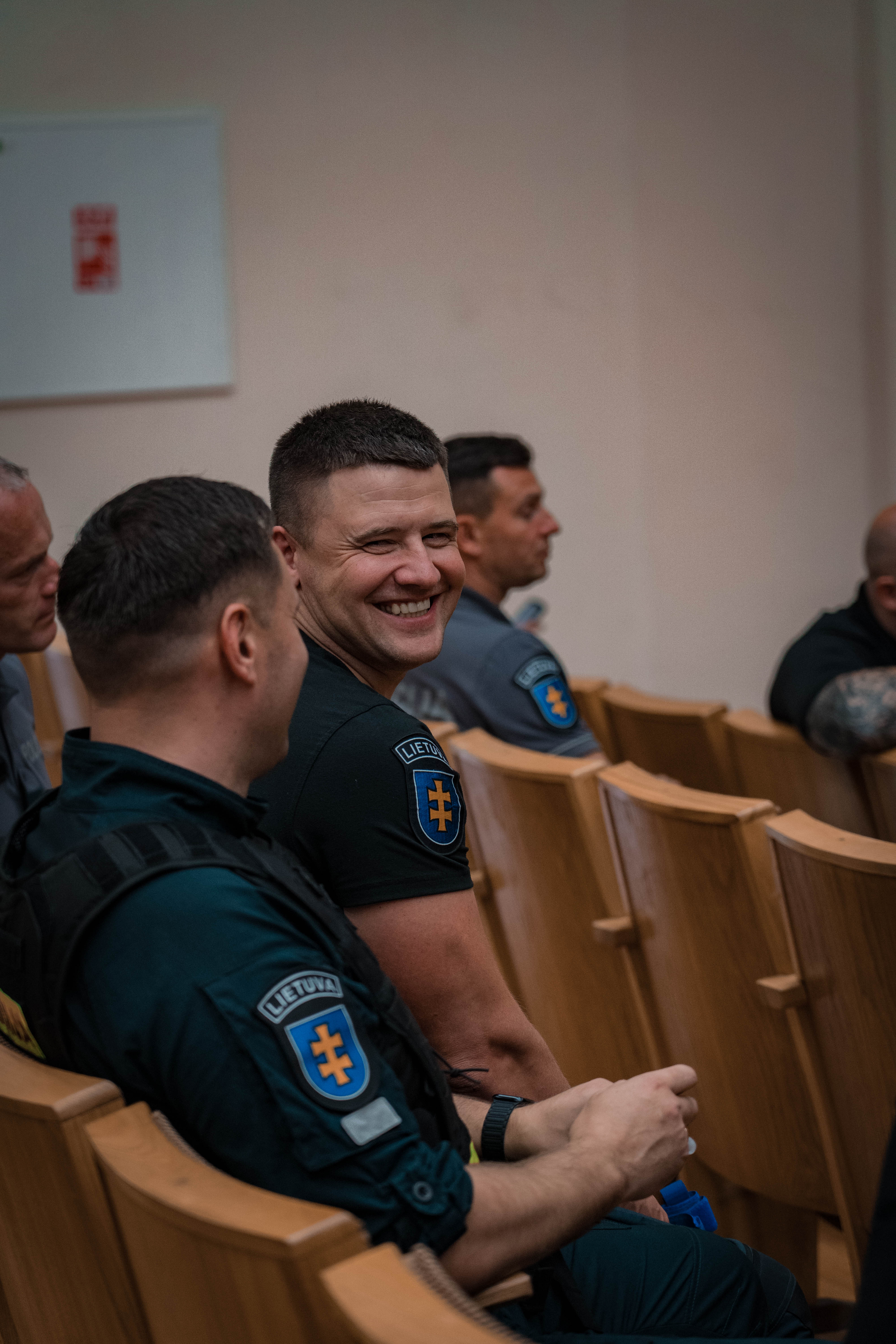
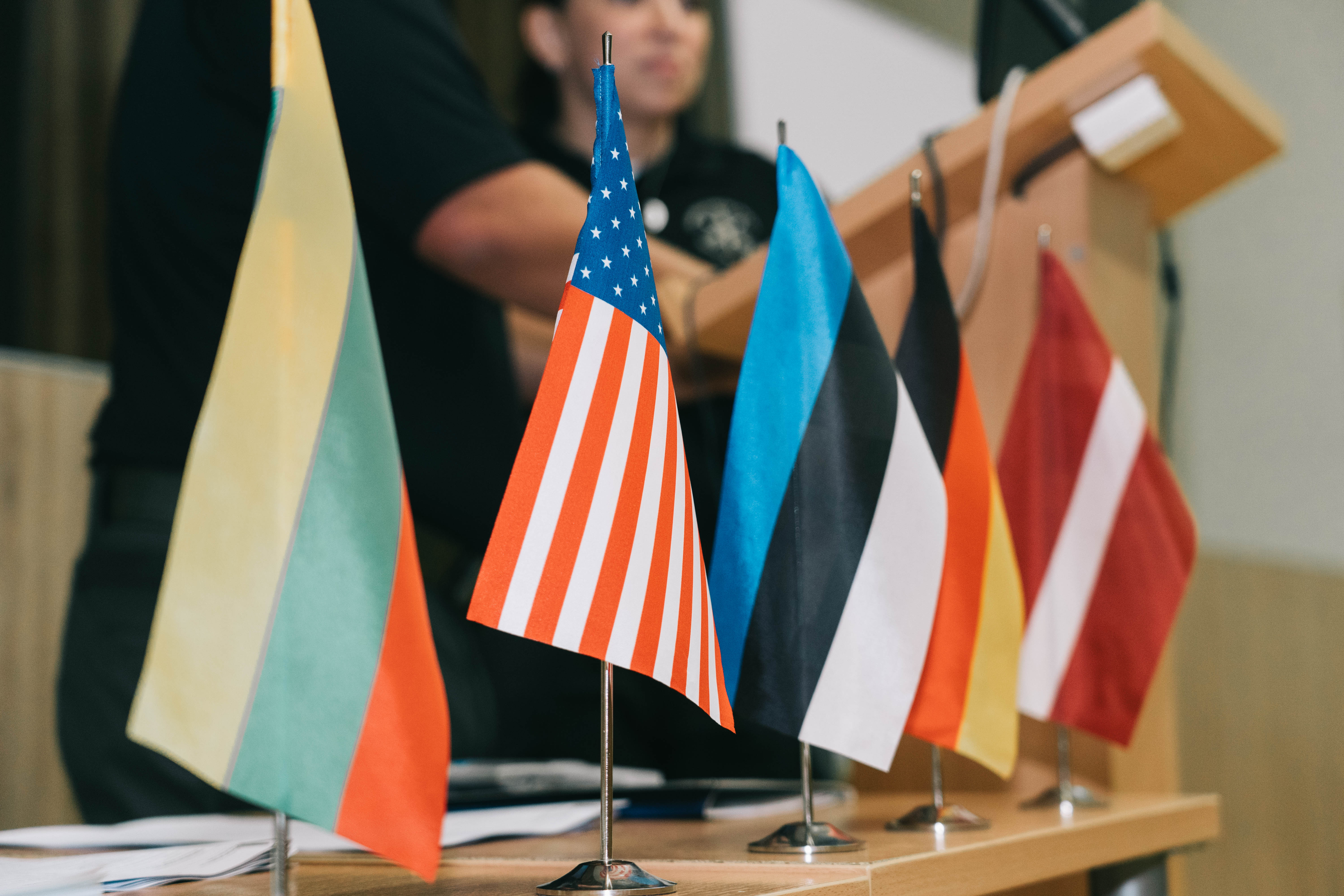
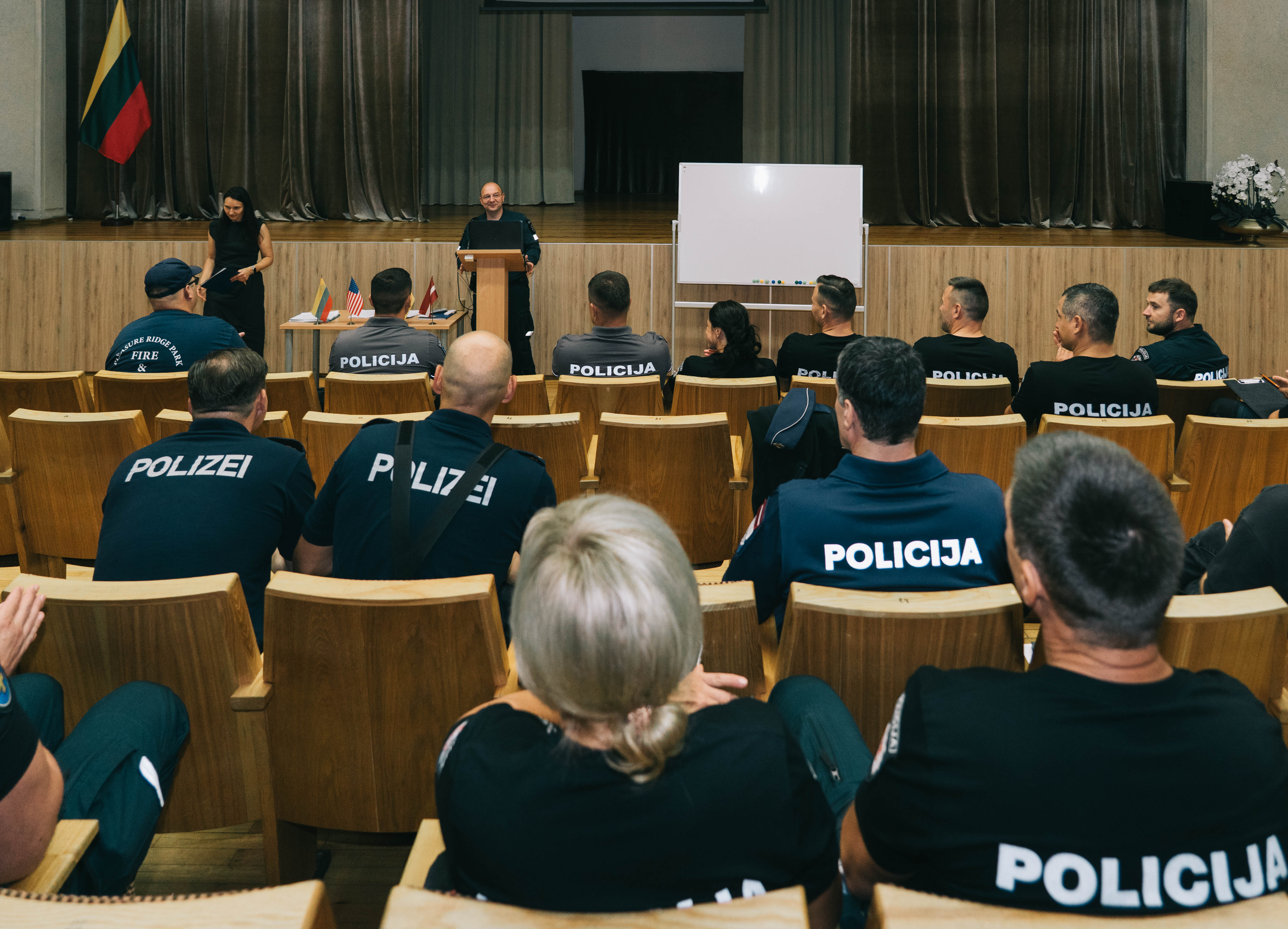
The week-long training brought together instructors from Lithuania, Latvia, and Estonia, as well as guests from the Berlin Police Academy. The focus was on preparing officers to operate in large-scale emergency situations: from leadership and role distribution to casualty evacuation, medical assistance, and inter-agency cooperation.
Practical Experience and Real-World Case Studies
Rather than focusing only on academic theory, U.S. experts shared invaluable hands-on experience gained by American officers in managing real crises, such as the Boston Marathon bombing (2013), the Oklahoma City bombing (1995), and the aftermath of Hurricane Katrina (2005). These case studies emphasized the importance of inter-agency cooperation, effective communication, and coordinated action, even when agencies operate under different procedures.
“We did not come here to teach from a textbook. We came to share what we have learned from mistakes and successes in real work. Our goal is not only to show what to do, but to teach how to think under extreme stress,” emphasized Jeromy Lynton of the Louisville Metro Police Department.
Focus on Tactical Leadership and Inter-Agency Cooperation
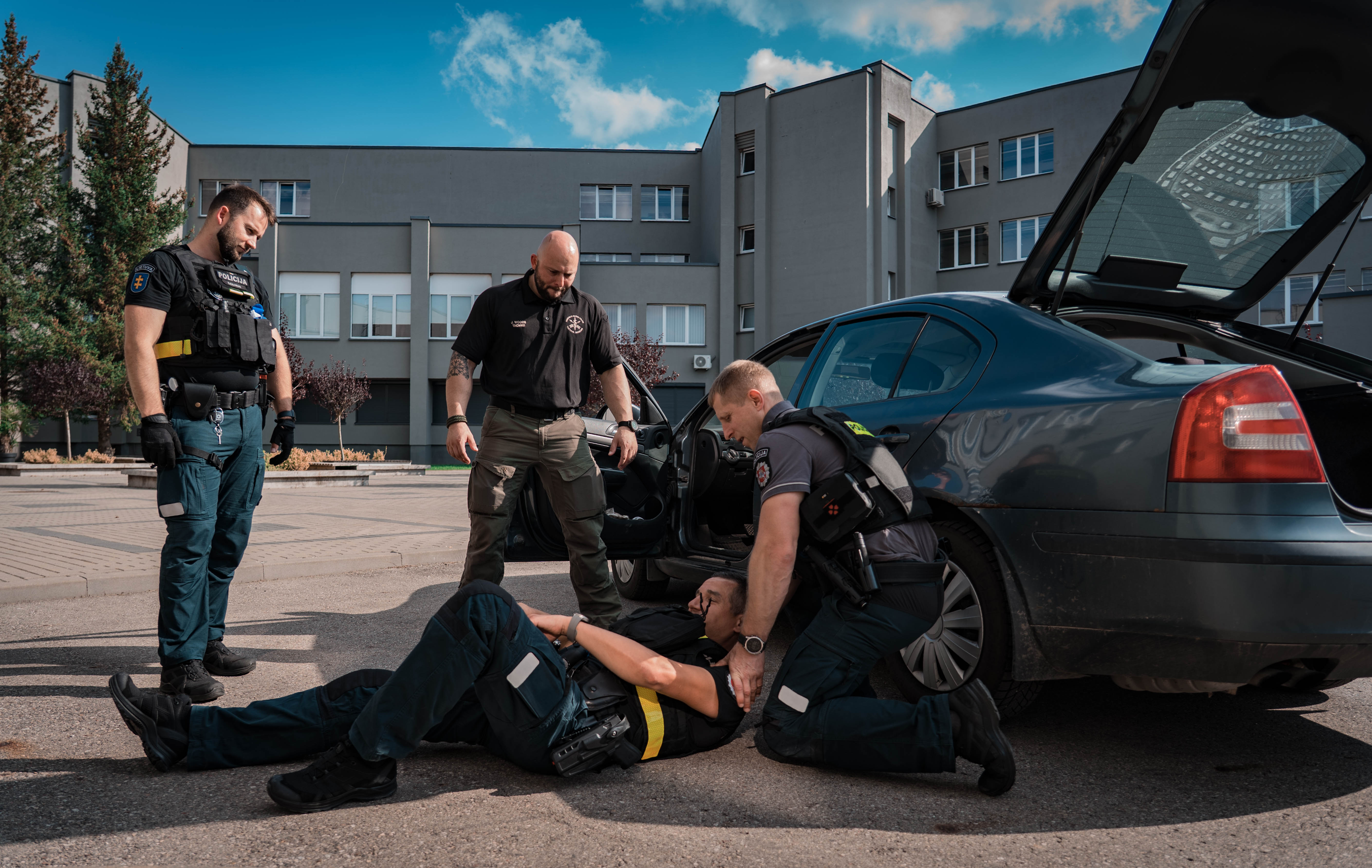
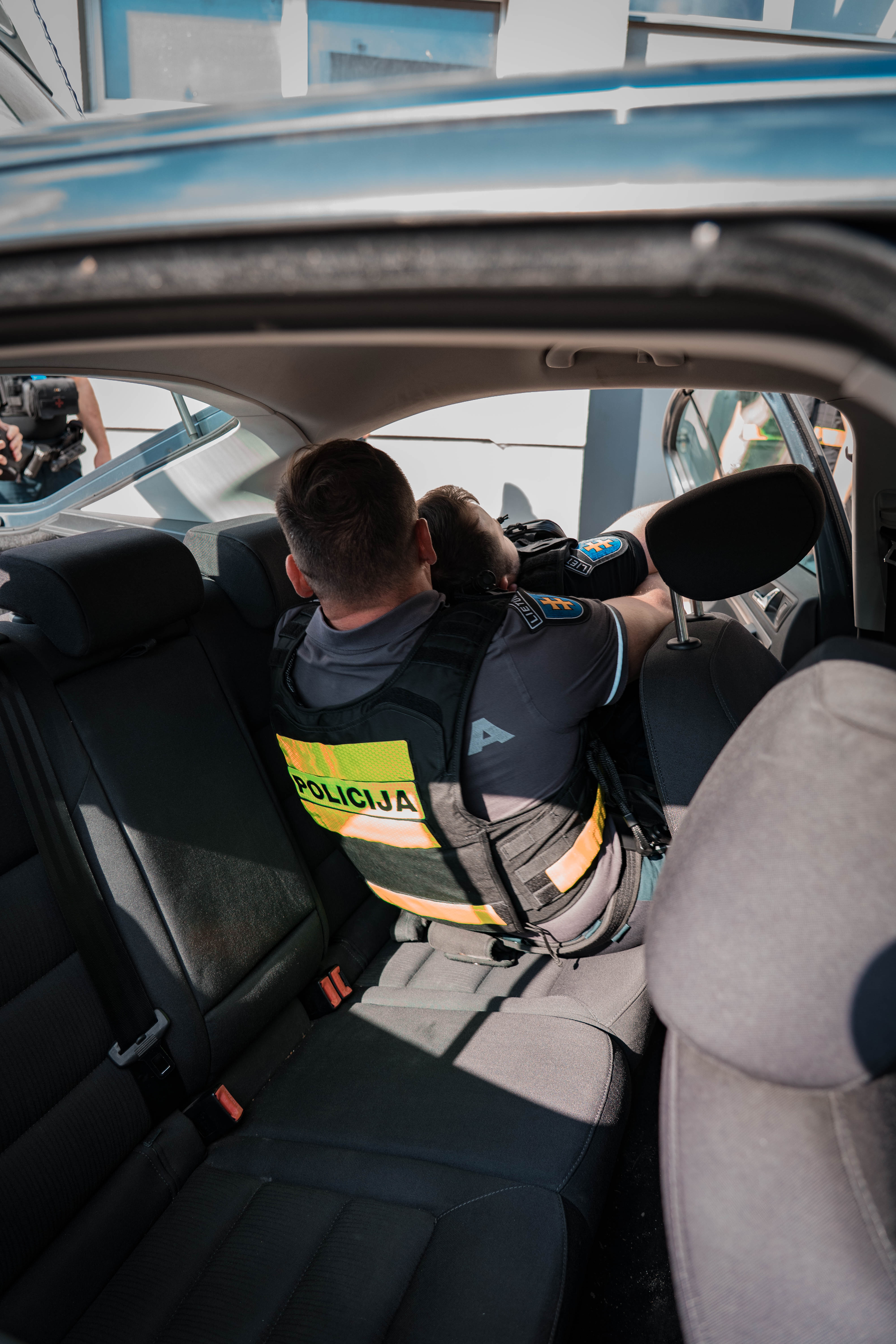
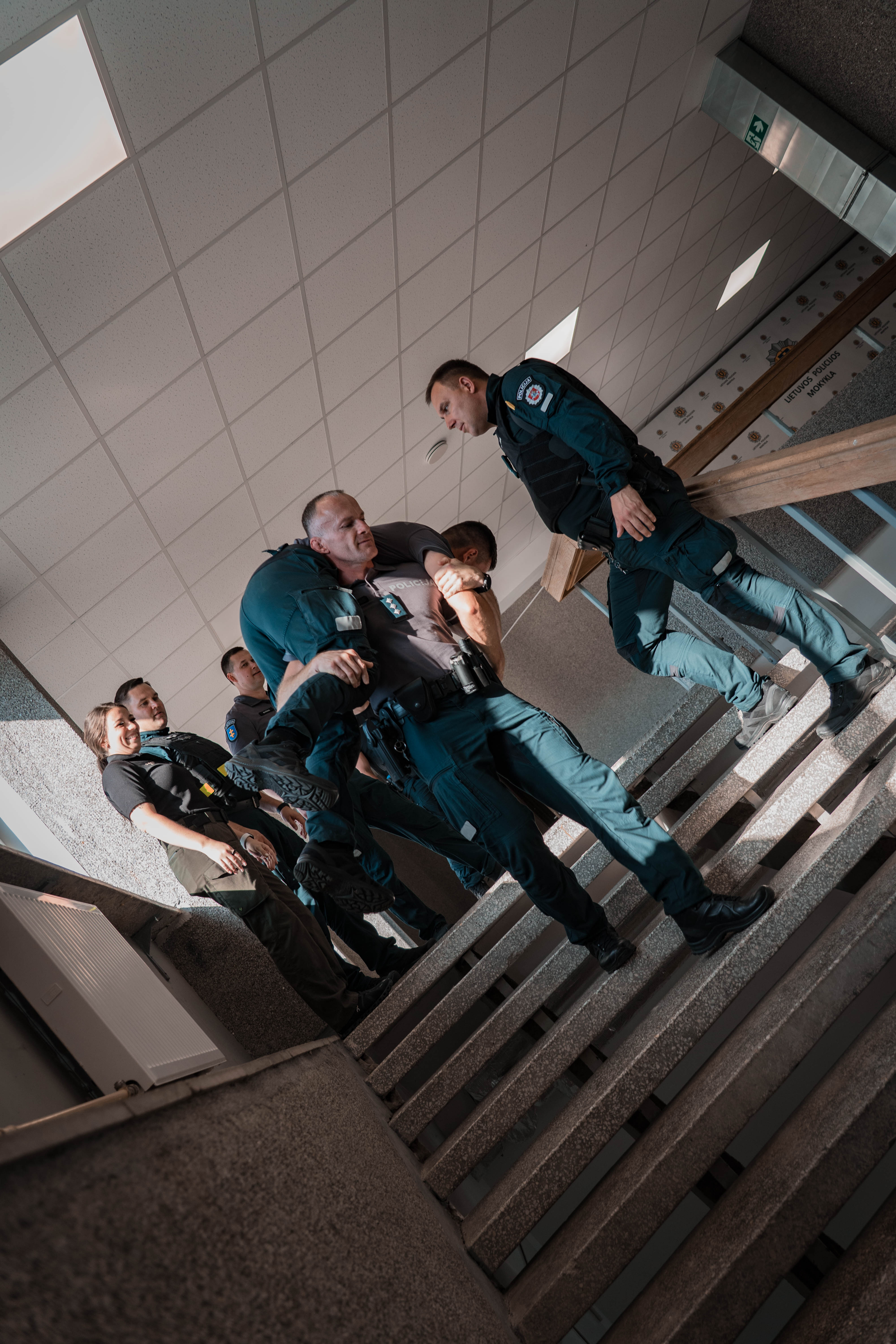
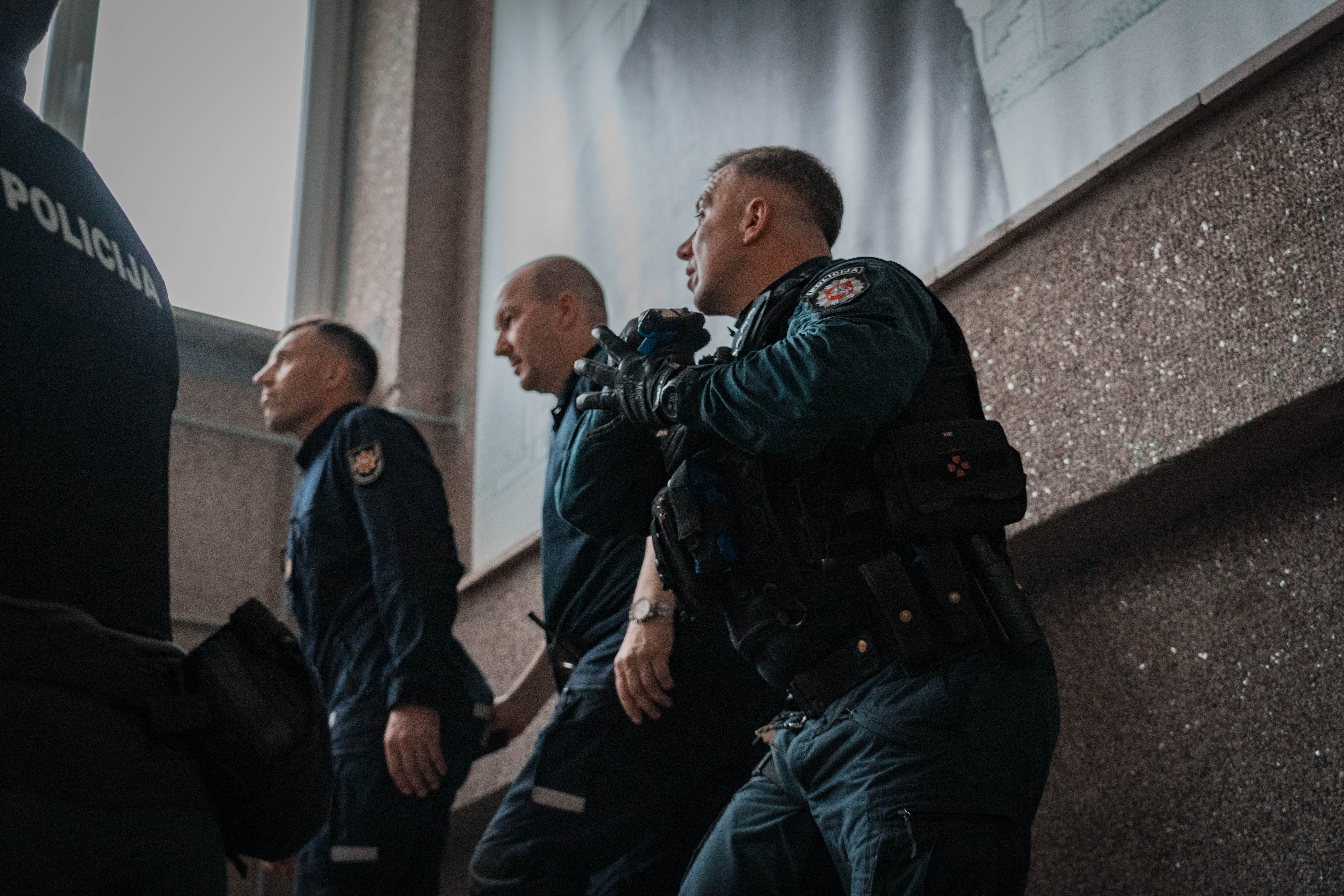
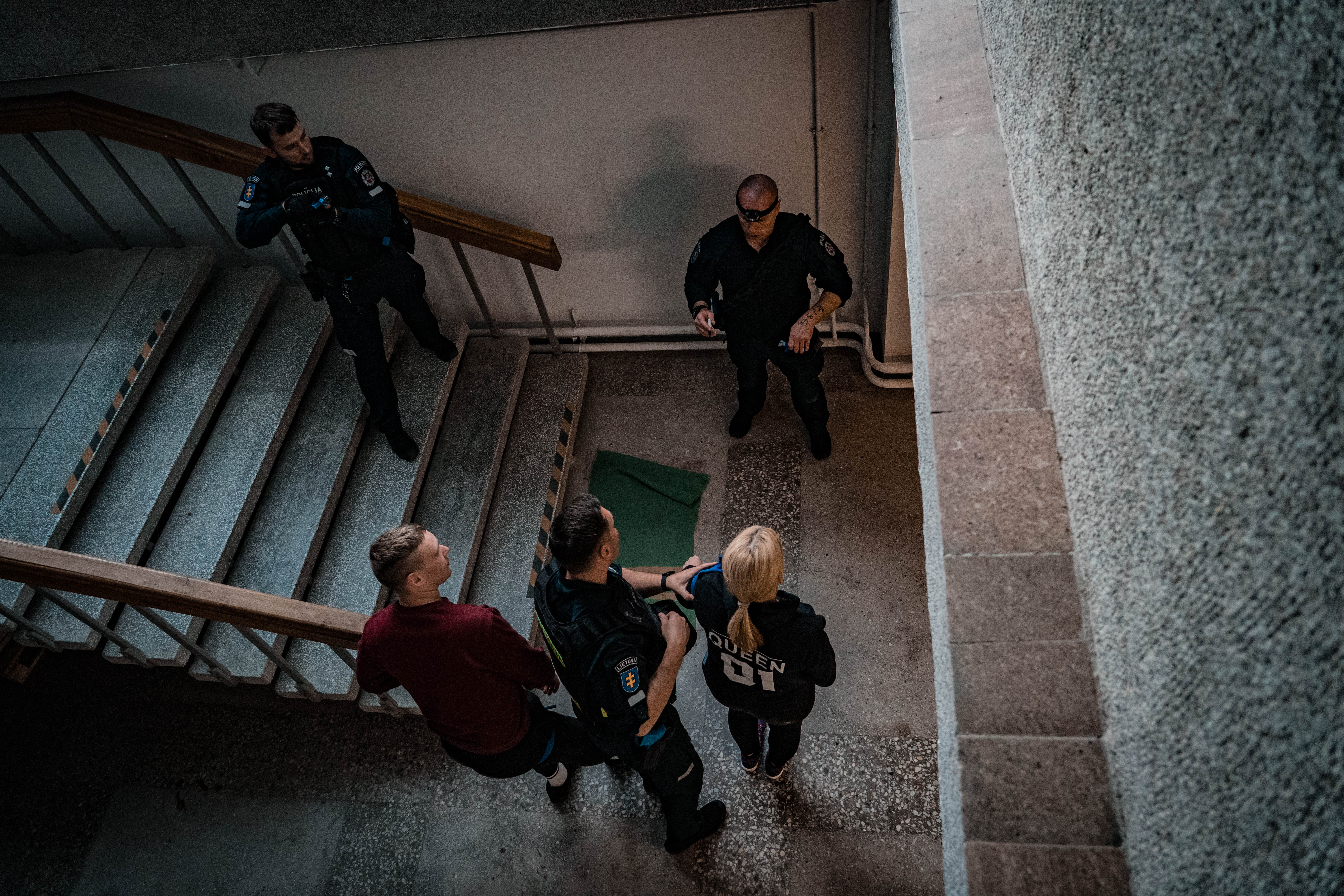
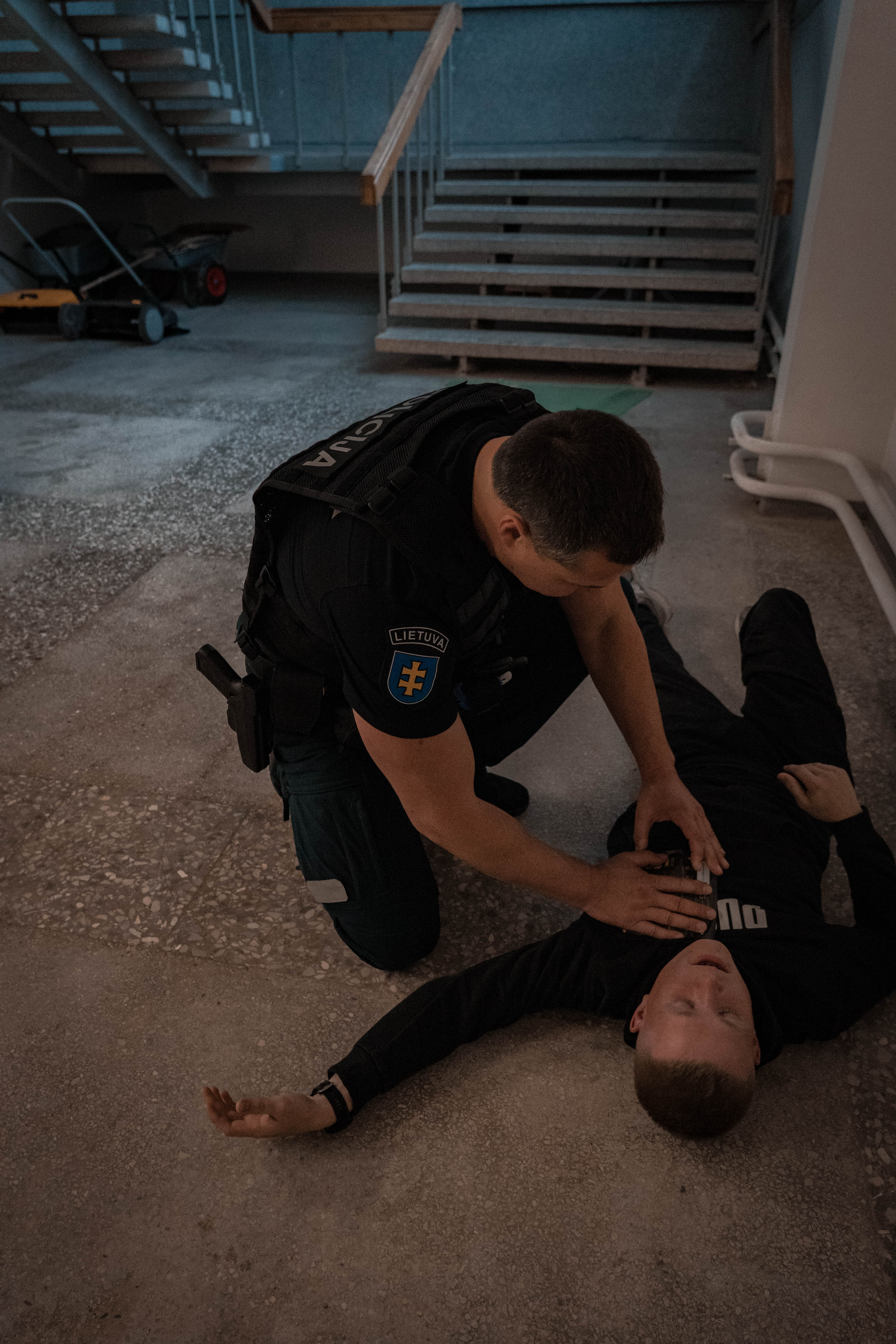
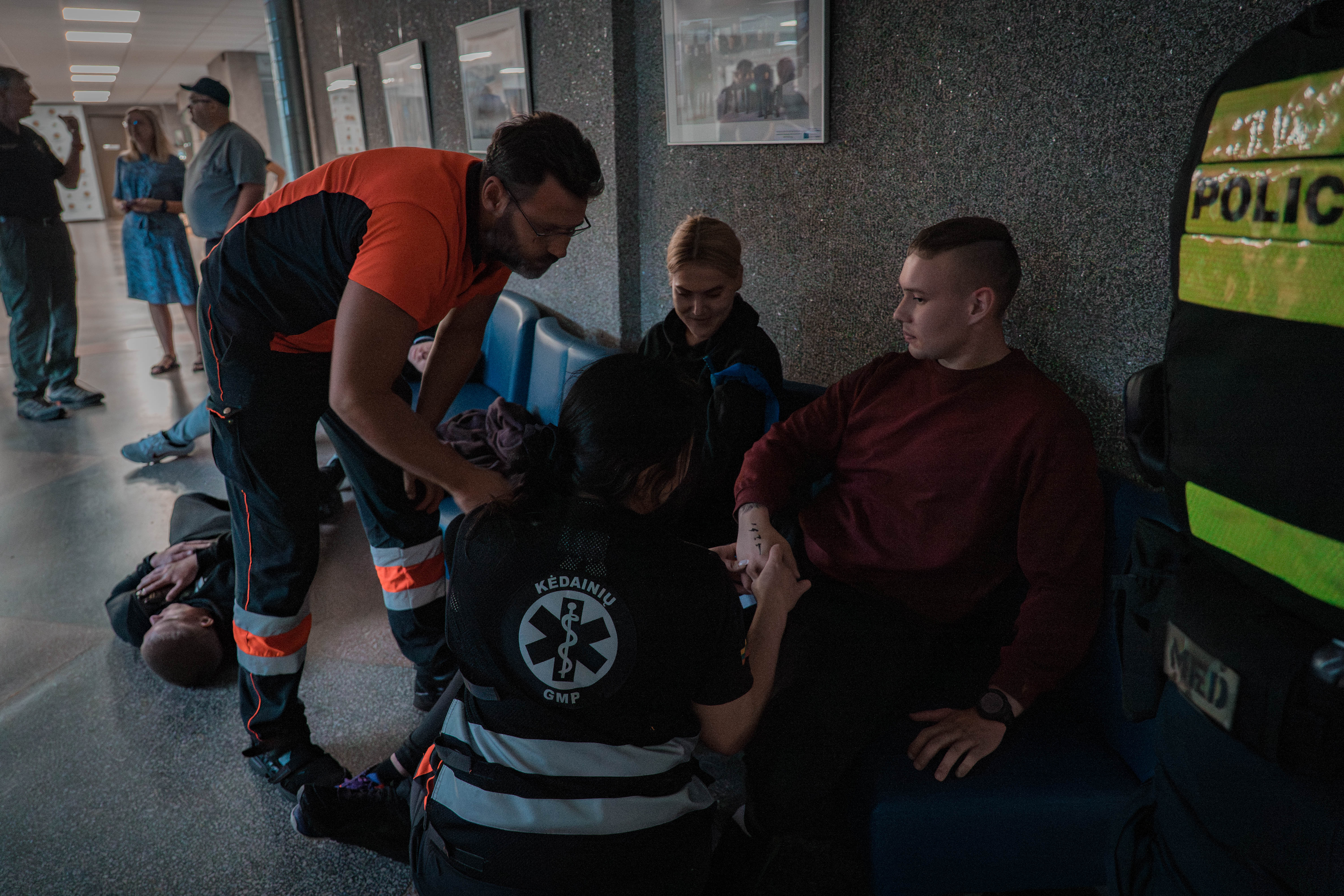
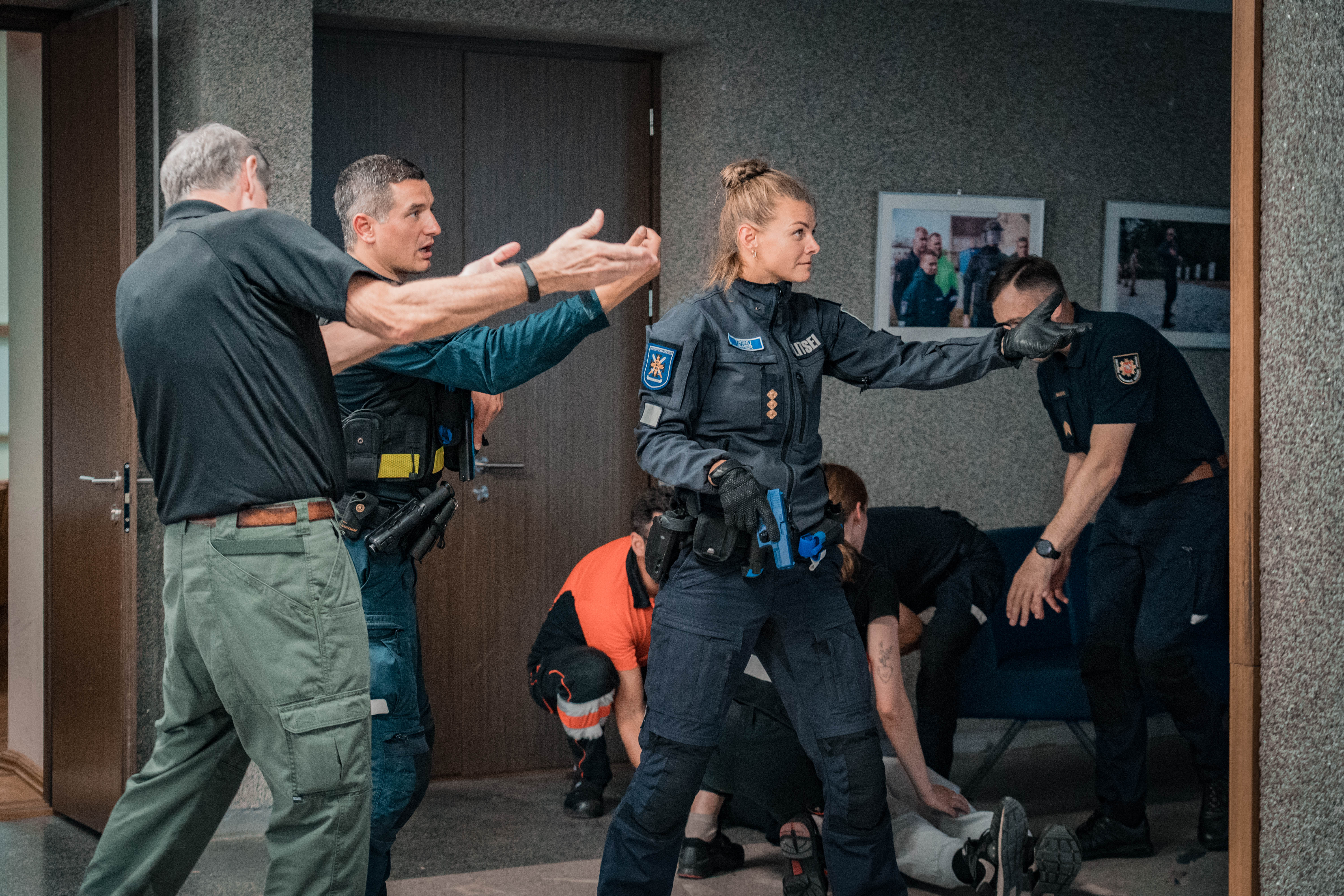
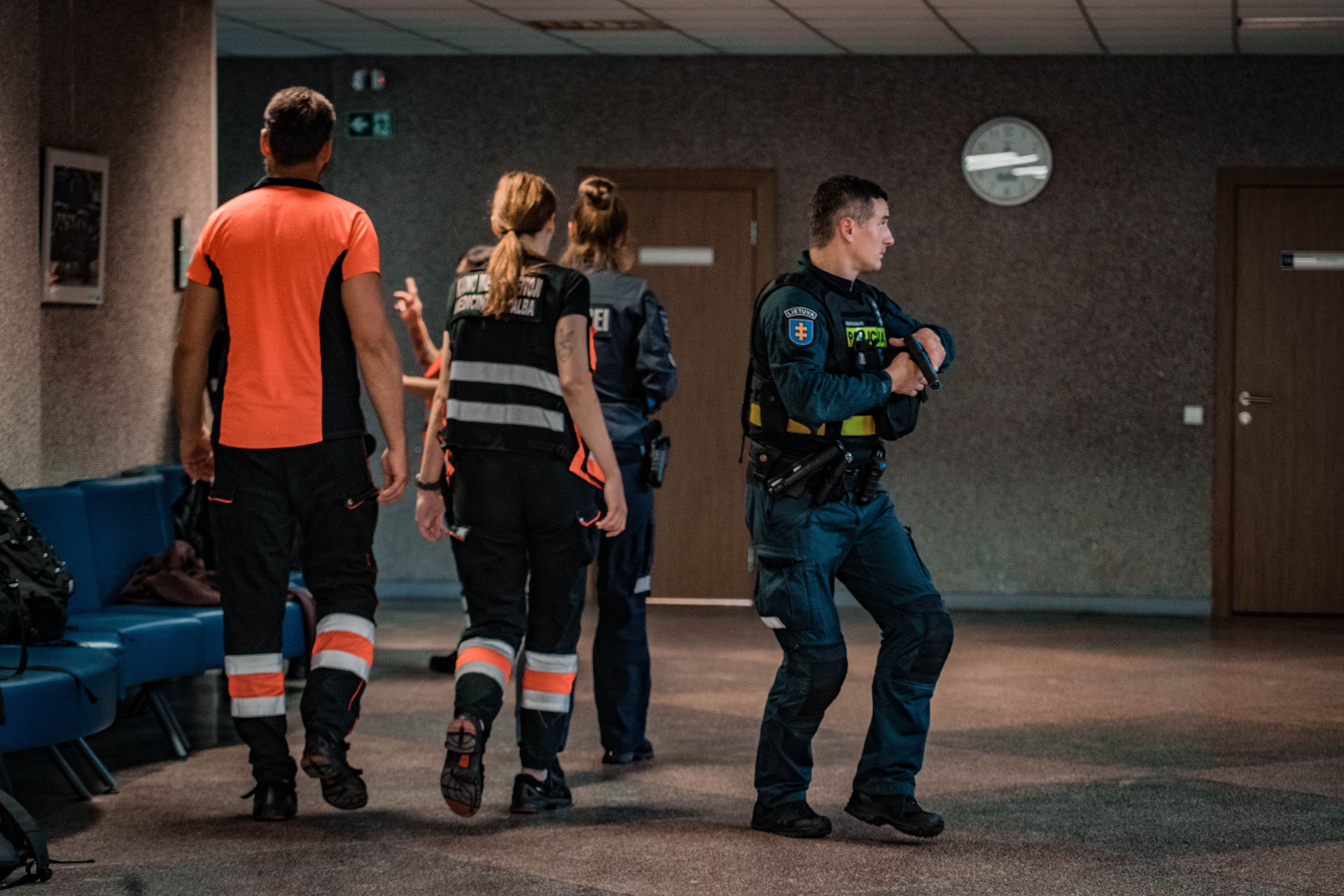
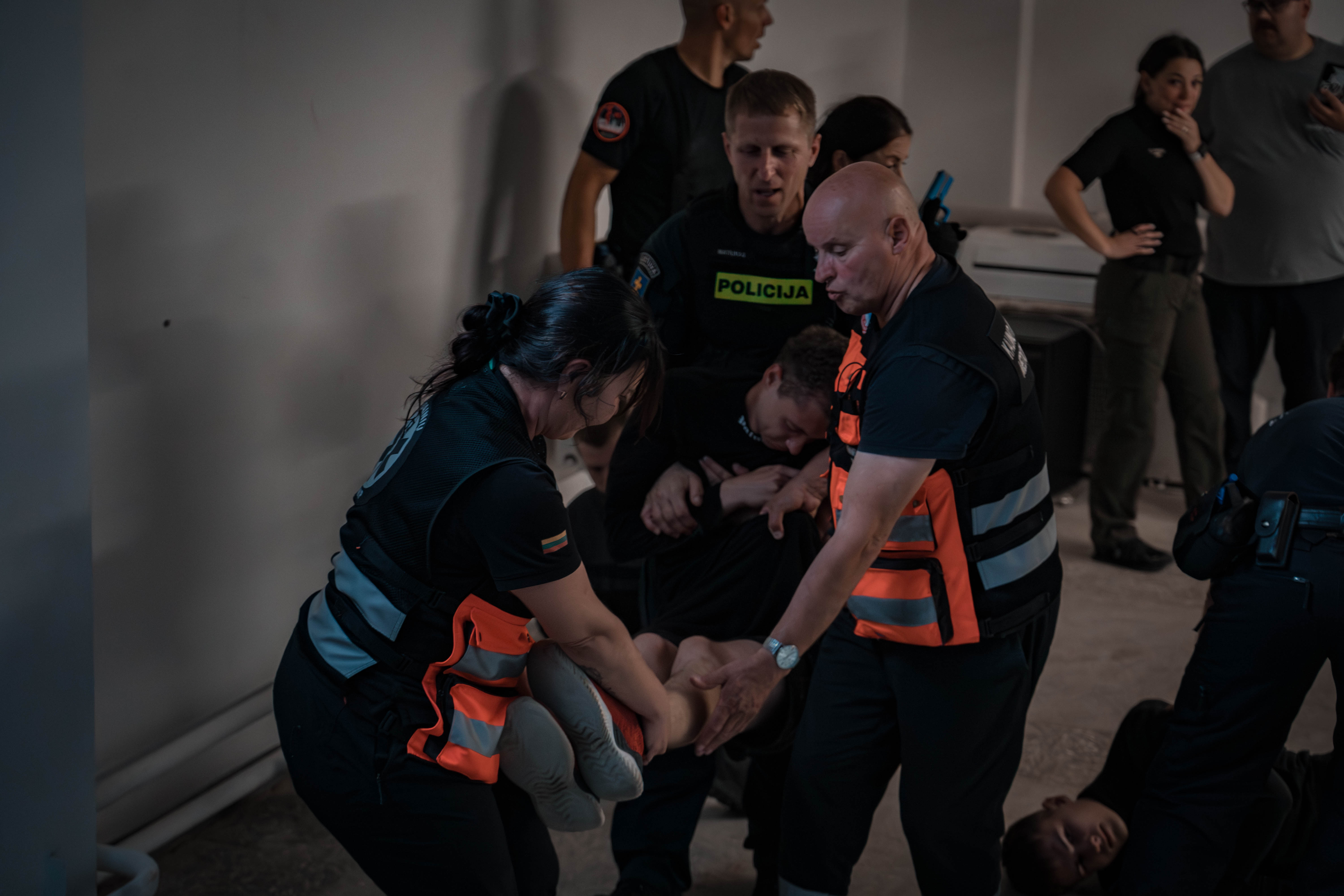
A major focus of the training was the role of the tactical-level commander, force distribution during mass events, and effective casualty rescue. Participants practiced how to set up safe casualty collection points and ensure seamless cooperation between police, medical, and firefighting services.
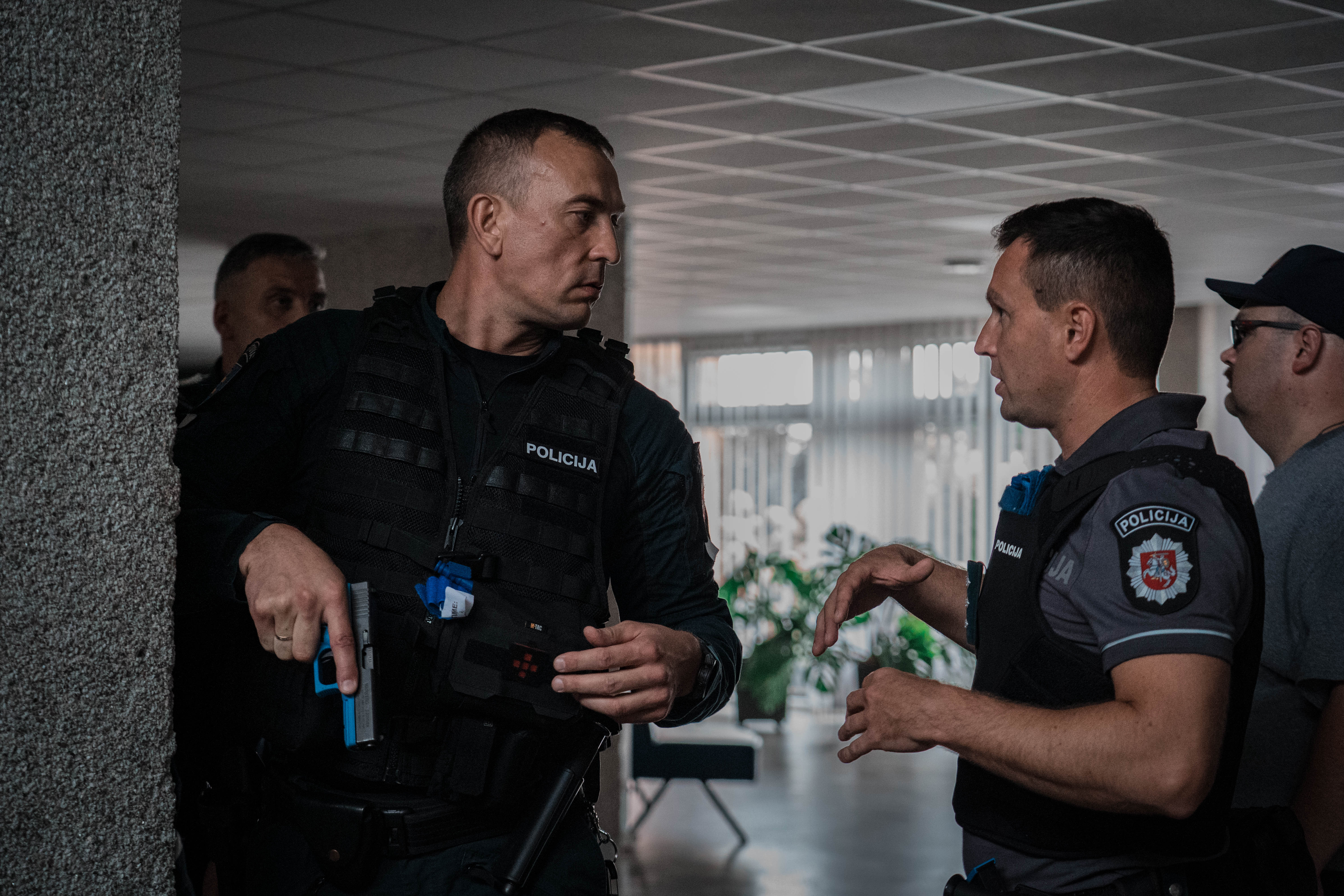
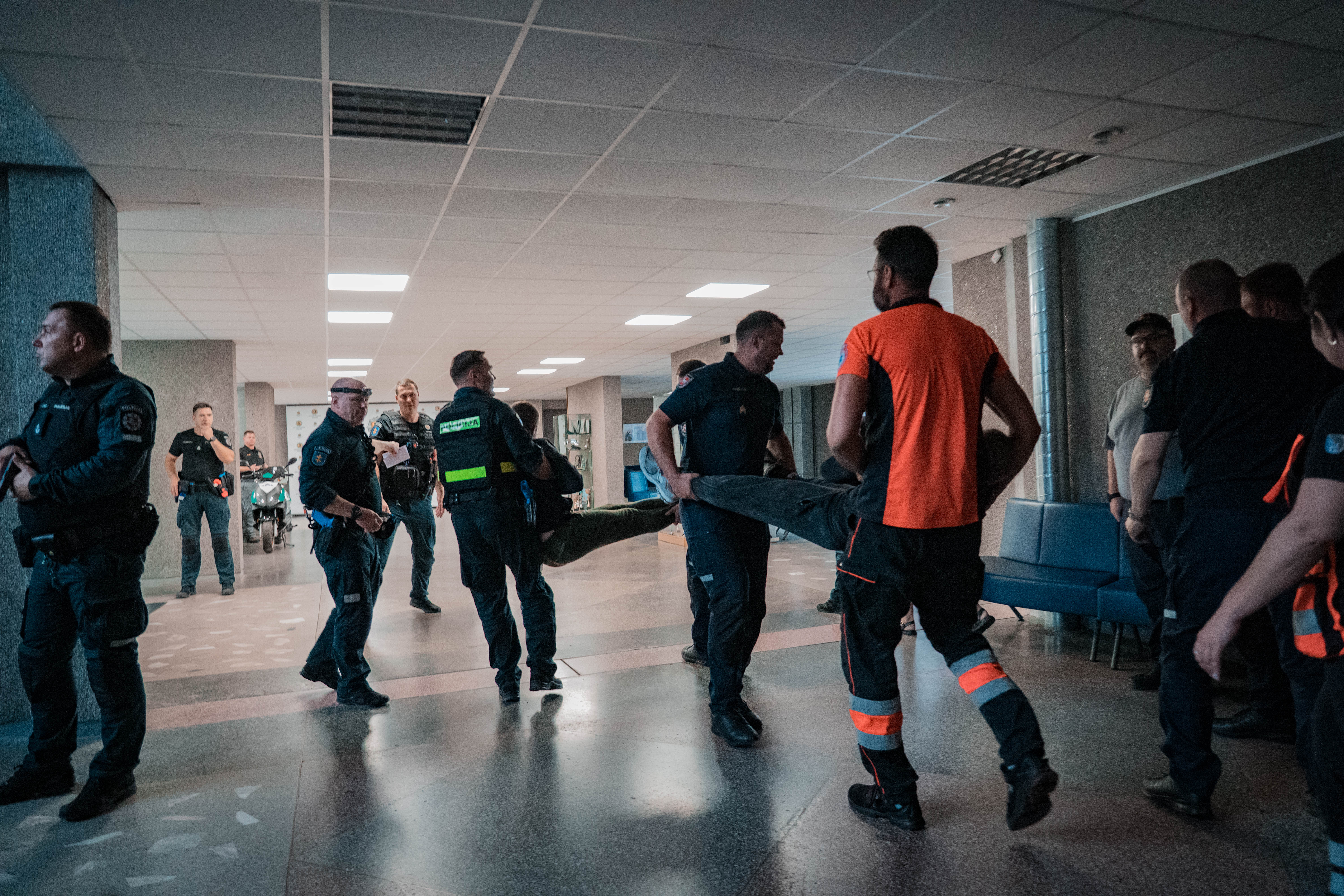
The training also included realistic simulations: participants practiced evacuating casualties from the “hot zone,” coordinating actions in chaotic situations, and making decisions under conditions of limited information.
Mutual Recognition and New Ideas
The U.S. experts spoke highly of the preparedness of the Baltic instructors:
“We were pleased to see such a high level of motivation and professionalism among the instructors. The participants’ existing knowledge allowed us to immediately move on to complex topics and exercises without having to focus on the basics,” said Jason Woods.
Šarūnas Krinčius, Head of the 2nd Division of the LPS Professional Skills Department and one of the main organizers, emphasized the methodological value of the training:
“The American experience, which combines theory and real-world practice, is truly exceptional. We will be able to immediately apply the knowledge, key insights, and various methodological tools in our own training sessions.”
A Latvian colleague echoed:
“While some elements of the tactics were already familiar, here we saw everything from a new angle. We hope to successfully apply this knowledge when we return to our country,” said Normands Vilks of the Latvian State Police College.
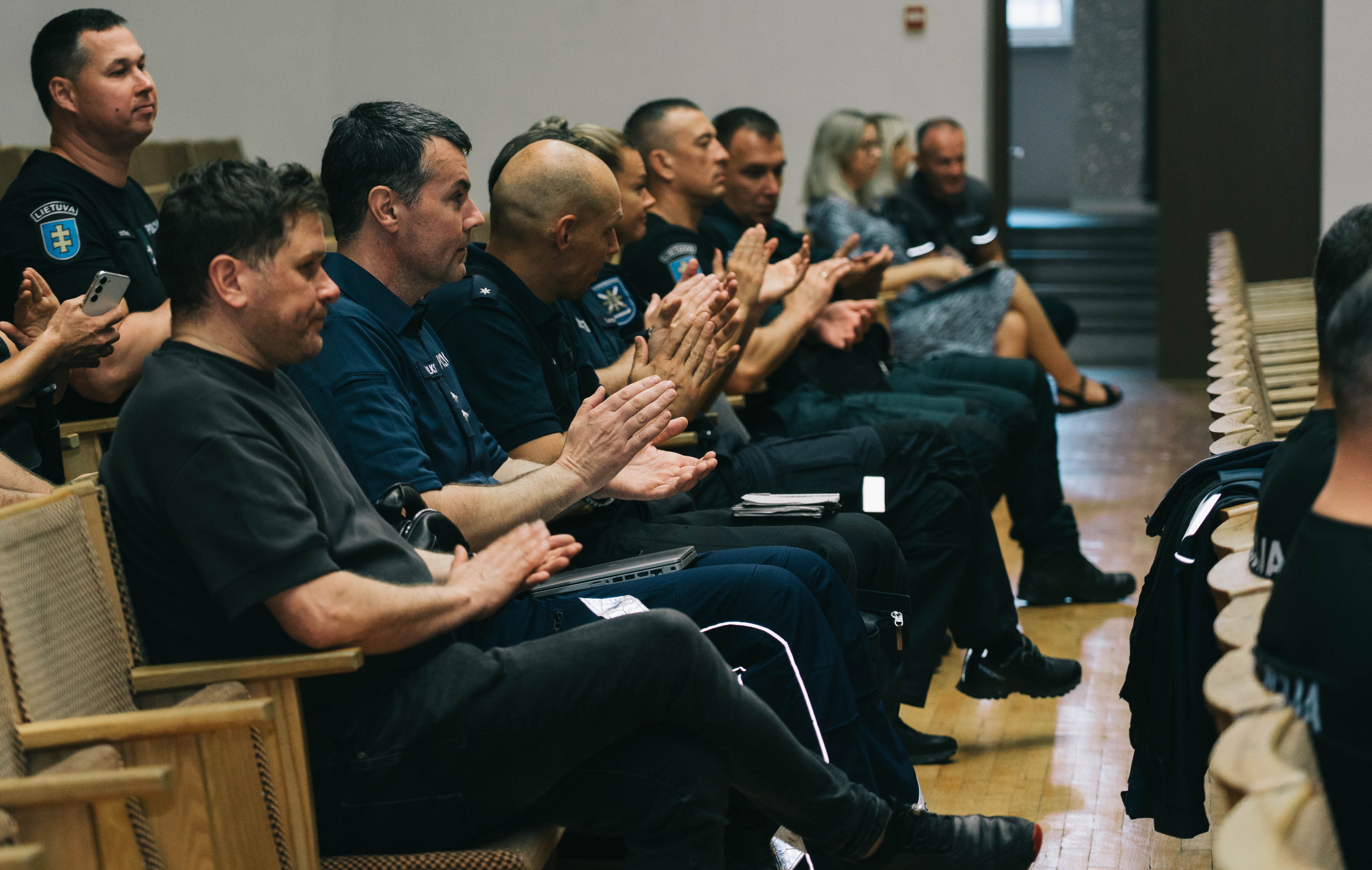
The professionalism of the U.S. experts and the quality of the training left a deep impression on all participants. Instructors from Lithuania, Latvia, Estonia, and Germany unanimously agreed that the greatest value of the training lay not only in acquiring new tactical knowledge but also in learning practical skills to organize high-level exercises themselves.
Stronger Together
This training was not only an exchange of knowledge but also an important step in strengthening regional partnerships. Alongside Lithuanian police instructors, colleagues from the Latvian State Police College, the Estonian Academy of Security Sciences, and guests from Berlin also took part. Practical exercises were further supported by the Kaunas Fire and Rescue Department and the Emergency Medical Service.
Joint exercises allowed participants not only to adopt best practices but also to build mutual trust between officers from different countries – a factor that is crucial in the face of shared crises.
On Friday, the training culminated in a final large-scale exercise. This inter-institutional and international cooperation undoubtedly strengthened the Baltic region’s ability to respond effectively to emergencies and protect its citizens.
This program was made possible by funding from the Baltic-American Freedom Foundation (BAFF). For more information about BAFF scholarships and speaker support, visit www.balticamericanfreedomfoundation.org

Last updated: 24-09-2025
Related news:
What Did Representatives of the Lithuanian Police School Bring Back from Catalonia?
Virtual reality will modernise police training
International Pilot Training of Police Officers "FIRST-TAC": The Use of Force and Tactical Medicine
FIRST-TAC Project Pilots New First Responder Training Curriculum in Croatia